
A commercial office carpet cleaning checklist is a structured, prioritized set of maintenance tasks and timing guidelines designed to preserve carpet appearance, hygiene, and durability in workplace environments. The most effective programs combine daily HEPA-filter vacuuming, prompt spot treatment, interim encapsulation cleaning, and scheduled hot water extraction. Together, these four tiers form a preventive maintenance program that extends carpet life to 10 to 15 years and protects manufacturer warranty coverage. Facility managers who skip any tier risk accelerated fiber wear, voided warranties, and avoidable replacement costs.
1. Daily and routine vacuuming protocols
Daily vacuuming is the foundation of every office carpet maintenance guide. HEPA-filter vacuums capture 99% of allergens down to 0.3 microns, preventing soil from embedding into carpet fibers where it causes permanent abrasion. Without this baseline step, even the best deep cleaning schedule cannot compensate for daily grit accumulation.
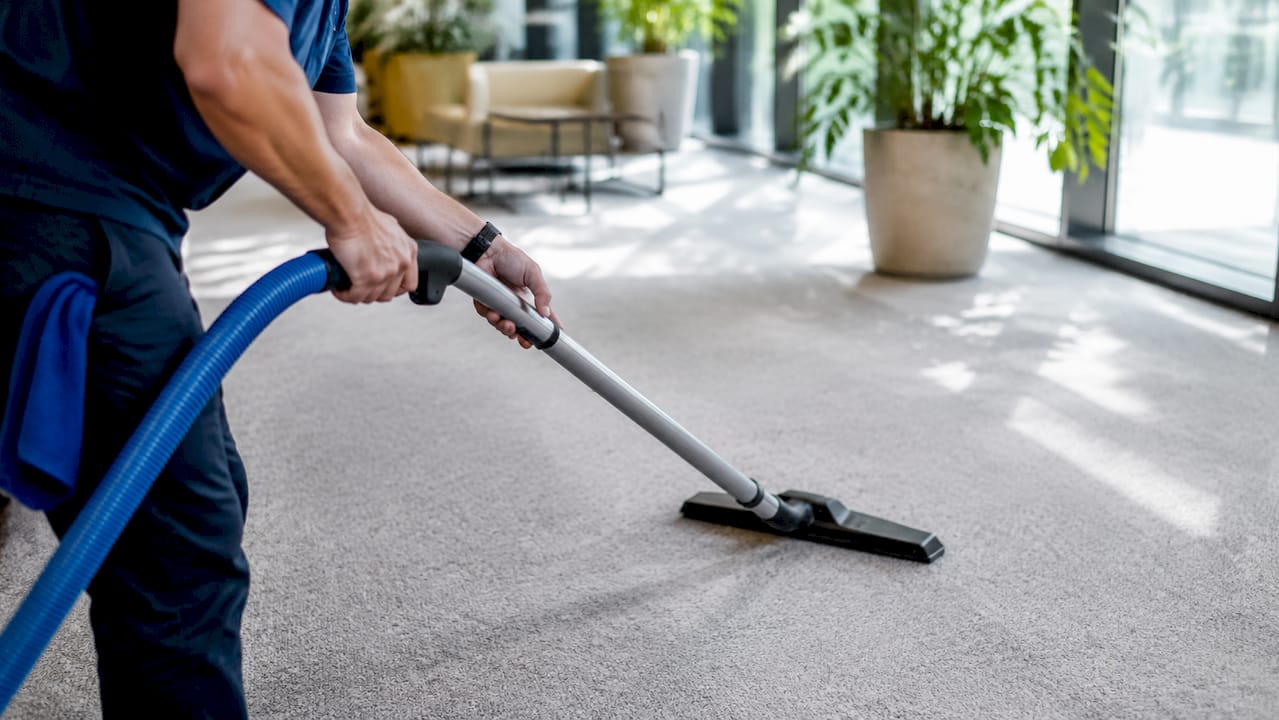
Traffic zones determine vacuuming frequency. Lobbies, corridors, and break rooms need daily attention. Conference rooms and private offices can be vacuumed every two to three days. Storage areas and rarely used spaces require weekly passes at minimum.
Technique matters as much as frequency. Use slow, overlapping passes rather than quick back-and-forth strokes. Edge cleaning with a crevice tool removes debris that upright vacuums miss along baseboards and under furniture legs. Document each vacuuming session on a dated log sheet to create accountability and identify gaps.
- Daily: lobbies, reception, break rooms, main corridors
- Every 2 to 3 days: open-plan offices, conference rooms
- Weekly: private offices, storage areas, server rooms
- After each session: check and empty the vacuum canister or bag
Pro Tip: Schedule vacuuming before the workday begins or after staff leave. Foot traffic immediately after vacuuming redeposits soil and defeats the purpose of the pass.
2. Spot treatment and stain removal checklist
Spot treatment is the most time-sensitive item on any carpet cleaning preparation checklist for businesses. Blotting stains immediately with minimal product prevents the stain from setting and stops it from attracting additional soil. Scrubbing spreads the stain laterally and forces it deeper into the fiber structure.
Follow this sequence every time a spill occurs:
- Blot the spill with a clean white cloth, working from the outer edge inward.
- Apply a small amount of pH-neutral, color-safe cleaner to the cloth, not directly to the carpet.
- Blot again with the treated cloth using light pressure.
- Rinse the area with cold water applied to a fresh cloth.
- Blot dry and place a weighted stack of paper towels over the spot for 30 minutes.
- Log the stain location, time, product used, and outcome on your maintenance record.
Improper spot cleaning such as scrubbing or applying excessive product causes stains to embed and creates residue that attracts further soil. Always perform a spot test on an inconspicuous area before using any new cleaning agent.
Pro Tip: Keep a dedicated stain kit at each building floor station. Include a pH-neutral cleaner, white cloths, a spray bottle of cold water, and a laminated instruction card. Response time under five minutes dramatically improves outcomes.
3. Interim cleaning methods and scheduling
Interim cleaning sits between daily vacuuming and full deep extraction. Tailoring cleaning methods by traffic zone and operating hours delivers better results than applying one method across an entire facility. The three most common interim methods each serve a different purpose.
| Method | Best use case | Dry time | Key limitation |
|---|---|---|---|
| Encapsulation | High-traffic interim maintenance | 20 to 45 minutes | Does not remove deep soil |
| Bonnet cleaning | Appearance refresh on low-pile carpet | 1 to 2 hours | Can cause fiber distortion |
| Dry compound | Areas needing immediate reuse | Near zero | Less effective on heavy soil |
Encapsulation is the preferred interim method for most commercial offices. A polymer solution surrounds soil particles, which then dry into crystals that vacuum out during the next routine pass. This approach works well in open-plan offices and corridors between quarterly deep cleans.
Schedule interim cleaning every four to eight weeks in high-traffic zones and every two to three months in moderate-traffic areas. Build interim cleaning into your office cleaning schedule alongside other facility tasks so it does not get deferred when budgets tighten. Verify that any provider performing interim work holds current IICRC certification, which confirms they understand fiber-specific chemistry and equipment settings.
4. Deep cleaning with hot water extraction
Hot water extraction, often called steam cleaning, is the industry-standard deep cleaning method for commercial carpet. The process injects heated water and cleaning solution under pressure into the carpet pile, then immediately extracts the mixture along with loosened soil. Most commercial offices require deep extraction every 3 to 6 months, with lobbies and high-traffic corridors needing quarterly or even monthly service.
Use this preparation checklist before every deep cleaning visit:
- Confirm the cleaning date with staff and post advance notice at least one week out
- Move lightweight furniture and personal items off the carpet
- Identify and pre-treat any visible stains before the crew arrives
- Secure or elevate electrical cords and equipment
- Confirm with the provider which large furniture items are included in the scope, since large furniture moving is typically excluded from standard quotes
- Arrange for adequate airflow: open windows, activate HVAC fans, or bring in portable air movers
After extraction, drying takes 6 to 12 hours depending on humidity and ventilation. Post-cleaning inspection should confirm even drying, no wicking of old stains, and a pH-balanced rinse. Skipping pH neutralization after extraction leaves alkaline residue that accelerates resoiling, a step many facility managers overlook.
Pro Tip: Schedule deep extraction on a Friday afternoon or the start of a holiday break. This gives the carpet the full 6 to 12 hour drying window without displacing staff or creating slip hazards during business hours.
5. Choosing and vetting a commercial carpet cleaning provider
Selecting the right provider is as critical as the cleaning itself. Regular professional cleaning is often required contractually for warranty validity, so documentation from a certified provider is not optional. Use this checklist when evaluating candidates before signing any service agreement.
- Certifications: Confirm current IICRC certification. This is the recognized industry standard for carpet and textile cleaning professionals.
- Insurance: Require proof of general liability and workers’ compensation coverage before any crew enters the building.
- Equipment: Ask whether the provider uses truck-mounted or portable extraction units. Truck-mounted systems generally deliver higher water temperature and stronger suction for commercial carpet cleaning.
- Green cleaning options: Request the product safety data sheets for any chemicals used. Organic or low-VOC formulas matter in occupied office buildings.
- Scope clarity: Get written confirmation of exactly which areas and furniture items are covered. Verbal agreements create gaps.
- Scheduling flexibility: Confirm the provider can work after hours or on weekends to minimize disruption.
- Maintenance records: Ask whether the provider supplies written service reports after each visit. These records support warranty claims and vendor accountability.
Request references from at least two comparable office accounts. A provider who cannot supply references from commercial clients is not the right fit for a facility maintenance program.
6. Building a seasonal carpet cleaning schedule
A seasonal schedule turns the commercial office carpet cleaning checklist from a reactive document into a proactive program. Waiting until carpets look dirty is the most common and costly mistake facility managers make. Visible dullness already indicates fiber damage, not just surface soil.
Map your facility into three zones: high traffic (lobbies, corridors, break rooms), moderate traffic (open offices, conference rooms), and low traffic (private offices, storage). Assign cleaning frequencies to each zone rather than treating the entire floor plan identically.
A practical annual framework looks like this. In January, schedule a post-holiday deep extraction to reset carpets after heavy use. In spring, run interim encapsulation across all high-traffic zones as foot traffic increases with warmer weather. In summer, use the reduced occupancy period for any restorative treatments or carpet repairs. In fall, complete a full deep extraction before the high-traffic winter season begins. This calendar-based approach, combined with daily HEPA vacuuming and prompt spot treatment, forms a complete office carpet maintenance guide that protects both the asset and the people using it.
Property managers overseeing multiple tenants should maintain a master schedule that tracks each suite’s cleaning history, carpet age, and warranty expiration. This level of documentation is what separates a facility that replaces carpet every seven years from one that gets 12 to 15 years of service life from the same product.
Key takeaways
A tiered commercial carpet maintenance program combining daily vacuuming, prompt spot treatment, interim encapsulation, and scheduled deep extraction is the most cost-effective way to extend carpet life and maintain warranty compliance in office environments.
| Point | Details |
|---|---|
| Daily vacuuming is non-negotiable | HEPA-filter vacuums prevent soil embedding and allergen buildup that no deep clean can fully reverse. |
| Spot treat within five minutes | Blotting immediately with a pH-neutral cleaner stops stains from setting and attracting further soil. |
| Match method to zone and traffic | Use encapsulation for interim maintenance and hot water extraction for deep soil removal on a seasonal schedule. |
| Prepare before every service visit | Move furniture, pre-treat stains, and confirm scope in writing to avoid cleaning gaps on service day. |
| Document everything | Written service records from IICRC-certified providers protect warranty coverage and support vendor accountability. |
What I’ve learned after years of commercial carpet work
The biggest mistake I see office managers make is treating carpet cleaning as a cosmetic task rather than a maintenance obligation. By the time a carpet looks dirty, the fiber has already been abraded by embedded grit. At that point, cleaning restores appearance but cannot restore fiber structure. The damage is done.
The second mistake is assuming one cleaning method covers the whole building. A lobby that sees 200 people a day needs a completely different protocol than a private office used twice a week. I have seen facilities spend significant money on quarterly deep cleans while skipping interim encapsulation, and the result is that the deep clean is fighting months of accumulated soil every single time. It is far more efficient to run encapsulation every six weeks and use deep extraction as a true reset, not a rescue operation.
Documentation is the underrated part of this work. When a carpet manufacturer denies a warranty claim, the first thing they ask for is a cleaning history. Facilities that cannot produce dated service records from certified providers lose those claims every time. A simple spreadsheet tracking dates, methods, providers, and certifications costs nothing and has saved clients thousands of dollars in replacement costs.
My advice to any facility manager building this program for the first time: start with the schedule, not the budget. Map your zones, assign frequencies, and find a certified provider who can work within your operating hours. The right commercial carpet cleaning partner makes the checklist easy to execute consistently.
— Jim
Keep your office carpets on schedule with Carpetandtileplus

Carpetandtileplus provides commercial carpet cleaning services tailored to office facilities across the Northwest Suburbs of Chicago, including Elgin, Bartlett, Arlington Heights, Palatine, and Barrington. The IICRC-certified team uses organic cleaning products and truck-mounted extraction equipment, with scheduling available after hours and on weekends to keep your operations uninterrupted. Carpetandtileplus also offers carpet odor and stain removal to complement your regular maintenance program. With over 20 years of experience and a one-hour dry time, Carpetandtileplus is built for facility managers who need reliable, documented service that meets warranty requirements.
FAQ
How often should commercial office carpets be deep cleaned?
High-traffic areas require deep cleaning monthly to quarterly, while general office spaces need professional extraction every 3 to 6 months. Scheduling by calendar rather than appearance prevents fiber damage and maintains warranty compliance.
What is the best interim cleaning method for offices?
Encapsulation is the preferred interim method for most commercial offices because it dries in 20 to 45 minutes and removes surface soil without saturating the carpet. It works best when scheduled every four to eight weeks in high-traffic zones between deep extractions.
How do I prepare my office for a professional carpet cleaning visit?
Move lightweight furniture, pre-treat visible stains, secure electrical cords, and confirm the service scope in writing before the crew arrives. Large furniture is typically excluded from standard quotes, so clarify this with your provider in advance.
Why does my carpet get dirty faster after cleaning?
Rapid resoiling after cleaning is almost always caused by alkaline residue left in the carpet fibers. pH neutralization after hot water extraction removes this residue and keeps carpet resistant to immediate dirt pickup.
What certifications should a commercial carpet cleaning provider hold?
IICRC certification is the recognized industry standard for commercial carpet cleaning professionals. Always verify current certification and request proof of general liability insurance before allowing any provider to service your facility.