
Apartment carpets need professional cleaning because standard vacuuming cannot remove the biological pollutants, embedded soil, and microbial contaminants that accumulate deep inside carpet fibers. The EPA identifies mold, bacteria, dust mites, pet dander, pollen, and viruses as indoor biological pollutants that carpets trap due to their porous structure. Professional cleaning methods like hot water extraction remove up to 94% of common allergens, a result no consumer-grade machine or spot treatment can replicate. For tenants, this means healthier air. For landlords in markets like Elgin, Bartlett, and Arlington Heights, it means documented proof of property condition and protection against deposit disputes.
Why apartment carpets need professional cleaning: the biology behind it
Carpet is not just a floor covering. It functions as a filter, trapping airborne particles that would otherwise circulate through your living space. The problem is that unlike an HVAC filter, carpet is never replaced on a schedule. It just accumulates.
The EPA lists the following as primary biological pollutants in carpets:
- Mold spores that thrive in humid conditions and embed in porous fibers
- Bacteria transferred from shoes, pets, and skin contact
- Dust mites that feed on dead skin cells shed daily by occupants
- Pet dander that clings to fibers even in units where pets no longer live
- Pollen tracked in from outdoors and redistributed with foot traffic
- Viruses that survive on soft surfaces for hours to days
Spot cleaning with a store-bought spray addresses the surface stain but leaves the microbial load untouched. DIY rental machines improve on vacuuming but lack the water temperature, suction power, and specialized detergents that professional equipment delivers. The result is partial cleaning that can actually worsen moisture conditions if the carpet does not dry fast enough.
Moisture control is the hidden variable most tenants overlook. The EPA recommends keeping indoor humidity below 60% and drying any wet carpet within 24 to 48 hours to prevent mold colonization. A professional cleaner with truck-mounted extraction equipment removes far more water than a rental unit, which is why air quality outcomes are measurably better after certified professional service.
How professional cleaning extends carpet life and protects apartment aesthetics
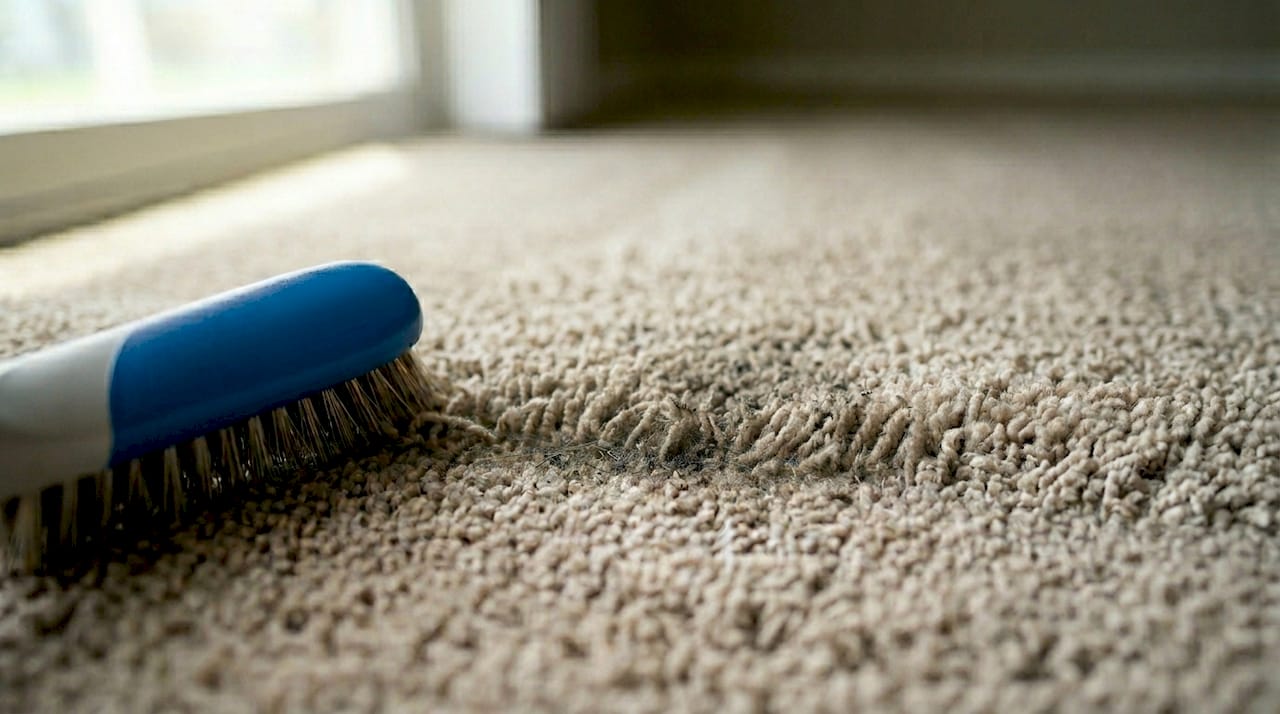
Dirt is abrasive. Every step grinds soil particles against carpet fibers, cutting them at a microscopic level and causing the matted, dull appearance that makes a carpet look years older than it is. This is not cosmetic wear. It is structural degradation that shortens the carpet’s functional lifespan.
Here is how professional cleaning compares to the alternatives most tenants and landlords rely on:
| Method | Contaminant removal depth | Fiber protection | Drying time |
|---|---|---|---|
| Vacuuming | Surface only | Minimal agitation | None required |
| DIY rental machine | Partial mid-layer | Moderate | 12 to 24 hours |
| Professional hot water extraction | Full depth | Fiber-safe detergents | 1 to 6 hours |
| Professional steam cleaning | Full depth | High heat sanitization | Up to 24 hours |
Professional hot water extraction, the method used by IICRC-certified technicians, forces heated water and cleaning solution deep into the pile and extracts it along with dissolved soil, allergens, and biological matter. The fiber is cleaned from the base up, not just the surface down. This prevents the premature breakdown that forces landlords to replace carpet between tenancies, a cost that typically runs several hundred to over a thousand dollars per unit depending on square footage.
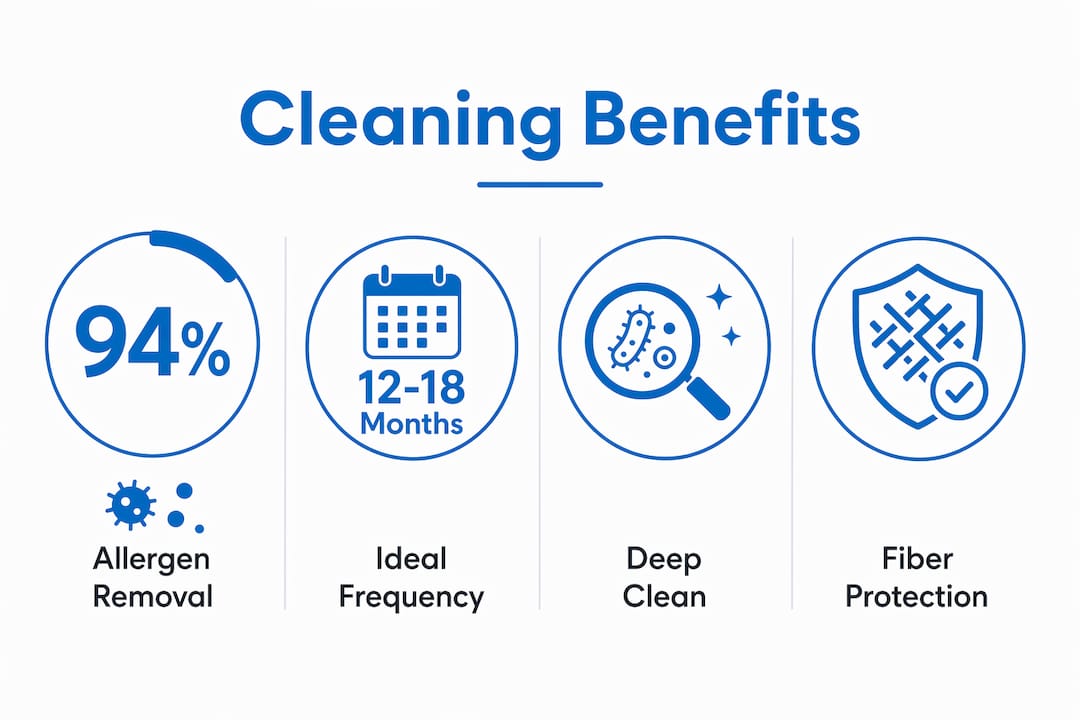
Pro Tip: Schedule professional cleaning every 12 to 18 months for low-traffic apartments and every 6 to 12 months for units with pets or children. Consistent cleaning frequency prevents the deep soil buildup that shortens carpet life and triggers early replacement costs.
For landlords managing multiple units in communities like Streamwood or Palatine, the math is straightforward. One professional cleaning session costs a fraction of carpet replacement and preserves the asset for additional tenancy cycles. For tenants, a well-maintained carpet means a cleaner living environment and a stronger case for deposit return.
Why landlords and tenants rely on professional cleaning for rental agreements
Security deposit disputes over carpet condition are one of the most common conflicts in residential rentals. The outcome of those disputes almost always comes down to documentation, not the actual state of the carpet at move-out.
Industry best practice for rental turnover in 2026 follows a clear sequence:
- Move-in inspection. Landlord and tenant document carpet condition with timestamped photos before occupancy begins. Any pre-existing stains or wear are noted in writing.
- Professional cleaning at move-in. Many landlords provide a receipt showing the carpet was professionally cleaned before the tenant took possession. This sets a documented baseline.
- Tenant maintenance during tenancy. Regular vacuuming and prompt spot treatment of spills reduce the accumulation of soil and staining between professional sessions.
- Professional cleaning at move-out. The tenant arranges professional cleaning and retains the receipt. This is the single most defensible action a tenant can take to protect their deposit.
- Move-out inspection with documentation. Before and after photos paired with a professional cleaning receipt create a clear record of condition at departure.
- Turnover deep clean by landlord. For rental turnovers, property managers typically commission a full interior reset that includes carpet extraction, odor treatment, and sanitization beyond what routine maintenance covers.
The cleaning documentation matters more than the specific method used. A timestamped receipt from a certified cleaner, combined with before and after photos, gives both parties defensible evidence in any dispute. Landlords who skip this step leave themselves exposed to claims of pre-existing damage. Tenants who skip it risk losing deposits to charges they cannot disprove.
For landlords in the Northwest Suburbs of Chicago, a carpet inspection before and after each tenancy is not just good practice. It is the foundation of a dispute-proof property management process.
What to do before and after professional carpet cleaning
Preparation directly affects how well a professional cleaning performs. A technician arriving to a room full of furniture and loose items will spend time on logistics rather than cleaning. The result is a less thorough job.
Before your appointment, complete the following:
- Clear the floor. Remove small furniture, toys, shoes, and any items stored on the carpet. Most professional cleaners will move larger furniture like sofas, but smaller items are the tenant’s responsibility.
- Vacuum first if possible. Pre-cleaning vacuuming removes loose surface debris and allows the technician’s equipment to focus on embedded contaminants. Many professionals handle this themselves, but doing it beforehand improves efficiency.
- Identify problem areas. Point out stains, pet accidents, or high-traffic zones to the technician before they begin. This allows them to pre-treat those areas with appropriate solutions.
- Secure pets and children. Professional cleaning equipment uses high heat and cleaning agents that are not safe for direct contact during application.
- Plan for drying time. Steam cleaning requires keeping foot traffic off the carpet for up to 24 hours to allow proper drying and prevent re-soiling during the critical moisture window.
After cleaning, keep windows open if weather permits to accelerate drying. Avoid walking on the carpet in outdoor shoes until it is fully dry. Place aluminum foil or foam blocks under furniture legs if you need to return items to the room before drying is complete. This prevents rust or dye transfer from furniture feet onto the freshly cleaned fibers.
Pro Tip: Book professional cleaning in spring or fall when lower humidity levels support faster drying. Summer humidity in the Chicago suburbs can extend drying times and increase the risk of moisture-related issues in carpet padding.
Key takeaways
Professional carpet cleaning in apartments protects indoor air quality, extends carpet lifespan, and provides the documented proof of condition that prevents security deposit disputes.
| Point | Details |
|---|---|
| Biological pollutant removal | Professional cleaning removes up to 94% of allergens that vacuuming and DIY methods cannot reach. |
| Moisture and mold control | EPA recommends drying carpets within 24 to 48 hours; professional extraction reduces this risk significantly. |
| Deposit protection documentation | Cleaning receipts and timestamped photos are the most defensible evidence in move-out disputes. |
| Carpet lifespan extension | Regular professional cleaning prevents abrasive soil from degrading fibers and delaying costly replacement. |
| Preparation and aftercare | Clearing the space before cleaning and respecting drying time after cleaning maximize the results of every session. |
What 20 years of apartment carpet cleaning taught me
Most tenants believe the job is done the moment the technician packs up the van. That is the misconception I see cause the most problems. The drying window is where outcomes are made or broken. A carpet that gets walked on with outdoor shoes or covered with furniture within two hours of cleaning will re-soil faster and may develop moisture issues in the padding that are invisible until mold is already established.
The other pattern I see constantly is landlords who skip the move-in professional clean because the carpet “looks fine.” That decision costs them every time. Without a documented baseline, any stain or wear the next tenant causes becomes a he-said-she-said dispute. A receipt and photos from before move-in take that argument off the table entirely.
I have also watched tenants lose significant portions of their deposits not because the carpet was actually damaged, but because they had no proof it was not. A professional cleaning receipt from a certified company, combined with photos taken the same day, is worth more in a dispute than any verbal agreement or email chain.
The benefits of professional cleaning go beyond hygiene. They are financial protection for both sides of the lease. Landlords who build professional cleaning into their turnover process retain better tenants and avoid the replacement costs that come from neglected carpets. Tenants who invest in a professional clean at move-out almost always recover that cost from their deposit.
One more thing worth saying directly: certified matters. IICRC-certified technicians follow documented standards for water temperature, dwell time, and extraction that produce consistent, verifiable results. A cheaper, uncertified service may leave excess moisture in the padding, which creates exactly the mold conditions the EPA warns against.
— Jim
Professional carpet cleaning for apartments in the Northwest Suburbs

Carpetandtileplus provides residential carpet cleaning services built for apartment residents and landlords across Elgin, Bartlett, Streamwood, Arlington Heights, Palatine, Barrington, and Hanover Park. Our IICRC-certified technicians use organic cleaning products and truck-mounted extraction equipment to remove biological pollutants, embedded soil, and odors from apartment carpets. We deliver a one-hour dry time that minimizes disruption to your schedule, and we provide the documentation landlords and tenants need for move-in and move-out inspections. If pet stains or odors are a concern, our odor removal services address the source rather than masking it. Schedule your appointment with a team that has served the Northwest Suburbs for over 20 years.
FAQ
Why can’t regular vacuuming replace professional cleaning?
Vacuuming removes surface debris but cannot reach the biological pollutants, bacteria, and allergens embedded deep in carpet fibers. Professional hot water extraction removes up to 94% of common household allergens that vacuuming leaves behind.
How often should apartment carpets be professionally cleaned?
Most apartments benefit from professional cleaning every 12 to 18 months. Units with pets, children, or high foot traffic should be cleaned every 6 to 12 months to prevent allergen buildup and fiber degradation.
Does professional cleaning prevent mold in carpets?
Professional extraction removes significantly more moisture than DIY methods, reducing the risk of mold growth. The EPA recommends drying carpets within 24 to 48 hours of any moisture exposure, and professional equipment makes that timeline achievable.
What documentation should tenants keep after professional cleaning?
Retain the cleaning receipt showing the company name, date, and services performed. Pair it with timestamped photos of the carpet taken immediately after cleaning. This combination is the most defensible evidence in deposit disputes.
Is professional cleaning required by most apartment leases?
Many lease agreements require tenants to return carpets in professionally cleaned condition at move-out. Even when not explicitly required, professional cleaning receipts protect tenants from deposit deductions and give landlords a documented baseline for the next tenancy.