The wool carpet cleaning process is a specialized method that combines routine vacuuming, careful spot treatment, and controlled deep cleaning using pH-balanced, wool-safe solutions to remove soil without damaging the carpet’s natural fibers. Unlike synthetic carpets, wool is protein-based and reacts poorly to alkaline chemicals, excessive heat, and over-wetting. Understanding what the wool carpet cleaning process actually involves, step by step, is the difference between a carpet that lasts 30 years and one that shrinks, browns, or distorts after a single cleaning session.
What are the essential steps in the wool carpet cleaning process?
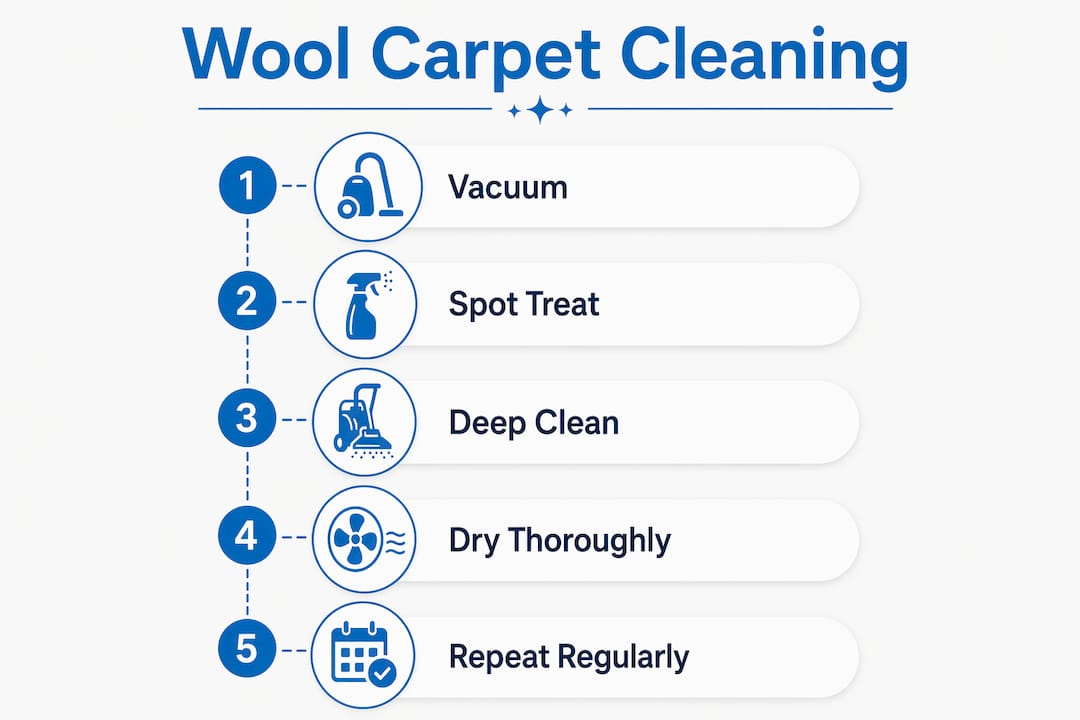
The wool carpet cleaning process follows a staged system: dry soil removal first, then spot treatment, then deep cleaning. Skipping stages or reversing the order forces wet cleaning solutions to push loose dirt deeper into the fiber, making extraction harder and increasing the risk of browning.
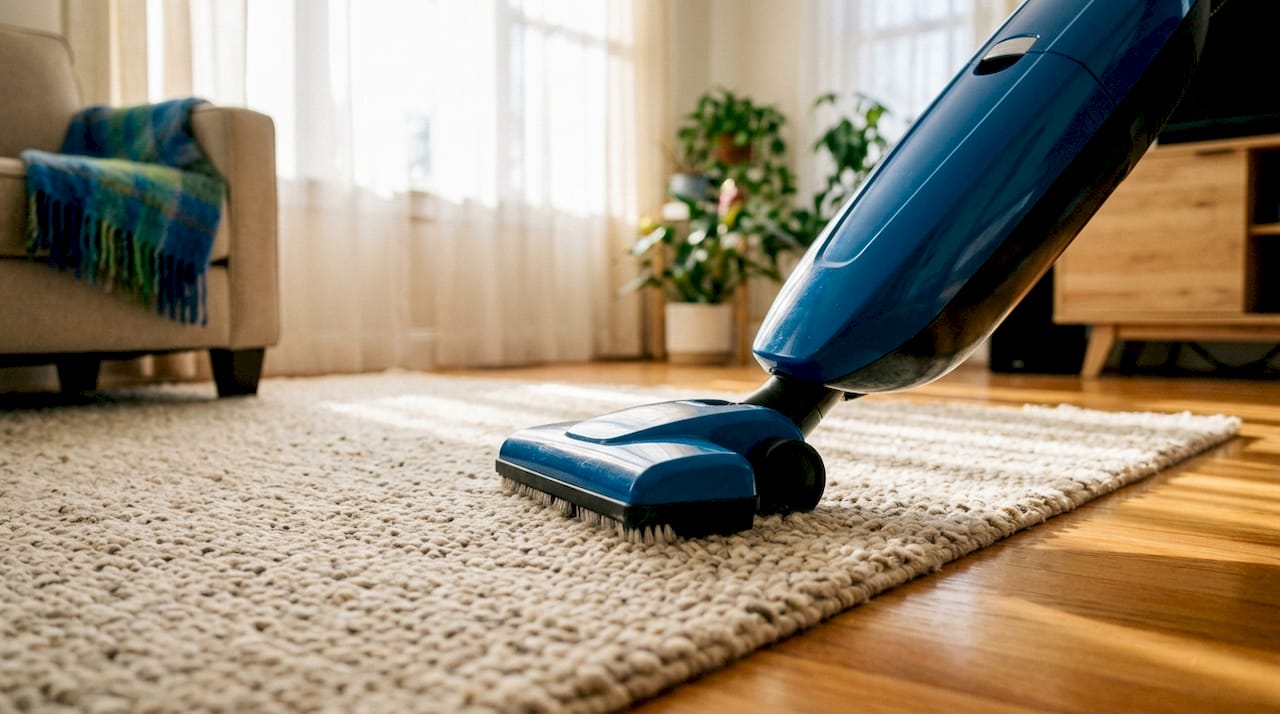
Step 1: Vacuum regularly and correctly. Vacuum at least weekly, and twice a week in homes with pets or heavy foot traffic. Use a suction-only setting or a vacuum with a gentle brush roller on a high pile setting. Aggressive beater bars can fray wool fibers over time, so this step matters more than most owners realize.
Step 2: Spot clean immediately after spills. Speed is the single most important factor in wool carpet stain removal. Use lukewarm water mixed with a mild wool-safe detergent at roughly one teaspoon per cup, and blot from the outside of the stain inward. Blotting prevents the stain from spreading; scrubbing distorts the fiber structure and sets the stain permanently.
Step 3: Schedule professional deep cleaning. Hot water extraction, also called steam cleaning, is the industry standard for deep cleaning wool carpets. Schedule it every 12 to 18 months for residential settings, or more frequently in commercial environments. A certified technician controls water temperature and extraction pressure to pull deep soil and allergens without saturating the backing.
Step 4: Dry thoroughly after any wet cleaning. Wool holds moisture longer than synthetic fibers. After any wet treatment, open windows, run ceiling fans, or use air movers to accelerate drying. Never walk on a damp wool carpet with outdoor shoes, as this redeposits soil into still-open fibers.
Pro Tip: Place a clean white towel over a freshly blotted stain and weight it down with a heavy book overnight. The towel wicks remaining moisture and residue upward, leaving the fiber cleaner than blotting alone achieves.
How do professional cleaning methods compare for wool carpets?
Two professional methods dominate wool carpet care: hot water extraction and low-moisture encapsulation. Each has a distinct use case, and choosing the wrong one for your setting causes either inadequate cleaning or unnecessary fiber stress.
Hot water extraction
Hot water extraction, sometimes called steam cleaning, injects a controlled stream of hot water and cleaning solution deep into the carpet pile, then immediately extracts it along with loosened soil. For wool, technicians lower water temperature compared to synthetic carpet jobs and use pH-neutral or slightly acidic solutions to protect the fiber’s natural lanolin oils. Residue buildup from cleaning products causes rapid re-soiling, so experienced operators follow extraction with an acid rinse to neutralize pH and remove prespray residues. This method delivers the deepest clean but requires longer drying times, typically four to eight hours.
Low-moisture encapsulation
Encapsulation applies a diluted polymer solution, such as Actichem Encap Plus at a 1:32 dilution ratio, to the carpet with gentle agitation. The polymer crystalizes around soil particles as it dries, trapping them for removal by vacuuming. Carpets are open to light traffic after 30 to 60 minutes and ready for dry vacuuming after 24 hours to fully remove encapsulated soils. This method minimizes moisture exposure, which is a significant advantage for wool.
Extraction vs. encapsulation: which is right for you?
| Method | Best for | Drying time | Soil removal depth | Moisture risk |
|---|---|---|---|---|
| Hot water extraction | Annual deep clean, heavy soiling | 4 to 8 hours | High | Moderate if controlled |
| Low-moisture encapsulation | Maintenance cleans, commercial use | 30 to 60 minutes | Moderate | Very low |
Pro Tip: Ask your cleaning technician whether they use a wool-specific pH-neutral prespray. Standard alkaline prespreays designed for synthetic carpets can strip lanolin from wool fibers in a single application, causing permanent dullness.
What mistakes cause the most damage during wool carpet cleaning?
Incorrect pH or over-wetting during cleaning causes fiber distortion, shrinking, browning, and color bleeding in wool carpets. These are not minor cosmetic issues. They are often irreversible. Knowing what not to do protects your investment as much as knowing the right technique.
The most common mistakes include:
- Using alkaline or all-purpose cleaners. Products like standard dish soap or household multi-surface sprays are too alkaline for wool. Maintaining pH-neutral solutions is critical to preserving the natural oils and fiber integrity that give wool its softness and resilience.
- Over-wetting the carpet. Saturating wool causes the backing to shrink and the fibers to felt together. Use the minimum moisture necessary for the task, whether spot cleaning or deep cleaning.
- Skipping a spot test. Always apply any new cleaning solution to a hidden corner of the carpet and wait 10 minutes before treating a visible area. Dye bleeding and fiber reactions are not always predictable, even with wool-safe products.
- Scrubbing instead of blotting. Scrubbing unravels the fiber twist and permanently alters the carpet’s texture. Blot every time, without exception.
- Using the wrong vacuum setting. High-suction beater bar settings on low-pile wool carpets pull and break fibers. Set your vacuum to the highest pile position or use suction only.
Pro Tip: For stubborn stains like red wine or coffee, mix one tablespoon of white vinegar with one cup of lukewarm water before applying your wool-safe detergent solution. The mild acidity helps lift the stain without raising the pH to a damaging level.
How should cleaning schedules differ for commercial vs. residential wool carpets?
Dry soil removal prevents soil embedding and is even more critical in commercial settings where foot traffic deposits far more particulate matter per square foot per day than a residential home. A hotel lobby or office with wool carpet requires a fundamentally different maintenance schedule than a living room.
For commercial wool carpet owners, the recommended approach includes:
- Daily vacuuming in high-traffic corridors, reception areas, and conference rooms. Soil that sits overnight grinds into fiber under foot traffic and accelerates wear.
- Spot cleaning within the hour of any spill. Commercial environments benefit from keeping a wool-safe spot treatment kit on site rather than waiting for a scheduled service visit.
- Encapsulation cleaning every one to three months depending on traffic volume. Low-moisture encapsulation is the preferred method in commercial settings because carpets return to full use within the hour, minimizing operational disruption.
- Hot water extraction once or twice per year for thorough deep cleaning, scheduled during low-occupancy periods such as weekends or holidays.
- Entry matting at all access points to capture soil before it reaches the wool carpet. Studies on commercial flooring consistently show that entry mats reduce tracked-in soil by more than 80 percent.
For residential settings, the deep cleaning schedule is less intensive but the same principles apply. Vacuum twice weekly, treat spills immediately, and schedule professional extraction annually.
What DIY care steps keep wool carpets clean between professional visits?
Effective wool carpet maintenance between professional cleanings relies on three habits: consistent vacuuming, fast spot response, and controlled deodorizing. None of these require specialized equipment, but each requires the right technique.
- Vacuum with the right tool. A robot vacuum like the Eufy RoboVac or a canister vacuum with adjustable suction handles wool well. Avoid upright vacuums with fixed beater bars on loop-pile wool. Run the vacuum in multiple directions to lift fibers and remove soil from all angles.
- Treat spills with a DIY wool-safe solution. Mix one teaspoon of a wool-safe detergent such as Woolite or a pH-neutral dish soap with one cup of lukewarm water. Apply sparingly to the stain, blot with a clean white cloth, and rinse with plain lukewarm water. Never use hot water, as heat sets protein-based stains into wool fibers.
- Deodorize with baking soda. Sprinkle a light, even layer of baking soda over the carpet, leave it for 15 to 20 minutes, then vacuum thoroughly. Baking soda neutralizes odors without introducing moisture or chemicals. This is safe for wool and effective for pet odors.
- Blot and dry any wet area completely. After any spill treatment, place a dry white towel over the area and press firmly. Follow with a fan or open window to accelerate drying. A damp wool carpet left unattended for more than a few hours risks mildew growth in the backing.
- Check eco-friendly product options. The eco-friendly cleaning guide from Carpetandtileplus covers wool-compatible products that are safe for households with children and pets.
Key takeaways
The wool carpet cleaning process requires a staged approach: dry soil removal, careful spot treatment, and controlled deep cleaning with pH-balanced solutions, because skipping any stage risks permanent fiber damage.
| Point | Details |
|---|---|
| Stage your cleaning | Always vacuum before any wet treatment to prevent soil from embedding deeper into wool fibers. |
| Match the method to the setting | Use encapsulation for commercial maintenance and hot water extraction for annual residential deep cleans. |
| pH balance is non-negotiable | Alkaline cleaners strip lanolin from wool fibers; always use pH-neutral or slightly acidic wool-safe products. |
| Control moisture at every step | Over-wetting causes shrinkage and browning; use minimum moisture and dry wool carpets thoroughly after cleaning. |
| Spot test before full application | Apply any new product to a hidden area first to check for dye bleeding or fiber reaction. |
What 20 years of cleaning wool carpets has taught me
Most carpet owners treat wool the same way they treat nylon or polyester, and that single mistake accounts for the majority of damaged carpets I have seen over the years. Wool is a living fiber. It responds to chemistry, moisture, and mechanical stress in ways that synthetic carpets simply do not.
The biggest misconception I encounter is that wool carpets are fragile and should barely be touched. That is wrong. Wool is extraordinarily durable when cleaned correctly. The problem is not the cleaning itself. The problem is using the wrong chemistry or the wrong amount of water. A well-maintained wool carpet cleaned with proper pH-balanced solutions and controlled moisture will outlast most synthetic alternatives by decades.
The second thing I have learned is that encapsulation technology has genuinely changed what is possible for commercial wool carpet care. Ten years ago, the only real option for a thorough clean was hot water extraction, which meant hours of downtime. Now, a properly executed encapsulation clean on a commercial wool carpet returns the space to use within the hour. That is not a minor convenience. For a hotel or office building, it is a significant operational advantage.
My honest recommendation: do not rent a home extraction machine for wool carpets. Professional assessment and specialized equipment are not optional extras. Rental machines apply too much water, use generic chemistry, and lack the extraction power to remove moisture quickly. The result is a carpet that looks clean for two weeks and then re-soils faster than before, because residue left in the fiber acts as a soil magnet.
— Jim
How Carpetandtileplus protects your wool carpet investment

Carpetandtileplus serves homeowners and businesses across Elgin, Bartlett, Streamwood, Arlington Heights, Palatine, Barrington, and Hanover Park with IICRC-certified wool carpet cleaning that uses organic, pH-balanced products safe for natural fibers. Every job follows the staged cleaning system: thorough vacuuming, targeted spot treatment, and controlled deep cleaning with a one-hour dry time that keeps your home or office running without disruption. Whether you need residential wool carpet care for a family home or a scheduled maintenance program through our commercial carpet cleaning service, the team brings over 20 years of hands-on experience to every job. Contact Carpetandtileplus to schedule a consultation and get a cleaning plan built around your specific wool carpet and traffic level.
FAQ
What is the safest method for cleaning wool carpets?
Hot water extraction with pH-neutral, wool-safe chemistry is the safest deep cleaning method for wool carpets when performed by a certified technician. Low-moisture encapsulation is the safest option for frequent maintenance cleaning because it minimizes moisture exposure.
How often should wool carpets be professionally cleaned?
Residential wool carpets benefit from professional deep cleaning every 12 to 18 months. Commercial wool carpets in high-traffic settings should receive encapsulation maintenance every one to three months and full extraction cleaning once or twice per year.
Can I use vinegar to clean a wool carpet?
Diluted white vinegar mixed with lukewarm water is safe for wool carpet spot treatment because its mild acidity is compatible with wool’s natural pH range. Never use undiluted vinegar or apply it in large quantities, as over-wetting remains the primary risk.
Why does my wool carpet re-soil quickly after cleaning?
Rapid re-soiling after cleaning is almost always caused by residue buildup from cleaning products left in the fiber. A professional acid rinse applied after extraction neutralizes residues and significantly extends the time before the carpet attracts new soil.
Is it safe to use a robot vacuum on wool carpets?
Yes. Robot vacuums with suction-only modes, such as the Eufy RoboVac series, are safe for wool carpets and support the twice-weekly vacuuming schedule that keeps soil from grinding into fibers between professional cleanings.