
Professional carpet cleaning is defined as the process of removing embedded soil, stains, bacteria, and odors from carpet fibers using specialized equipment and chemical treatments. The best examples of carpet cleaning before after results show dramatic color restoration, pile recovery, and stain elimination that no store-bought product can match. IICRC-certified technicians, methods like enzyme pre-treatment, and processes such as hydrogen peroxide encapsulation are the difference between a surface clean and a true transformation. If you are a homeowner in Elgin or a business owner in Arlington Heights trying to decide whether professional cleaning is worth it, these real-world results answer that question clearly.
1. What do carpet cleaning before after results actually look like?
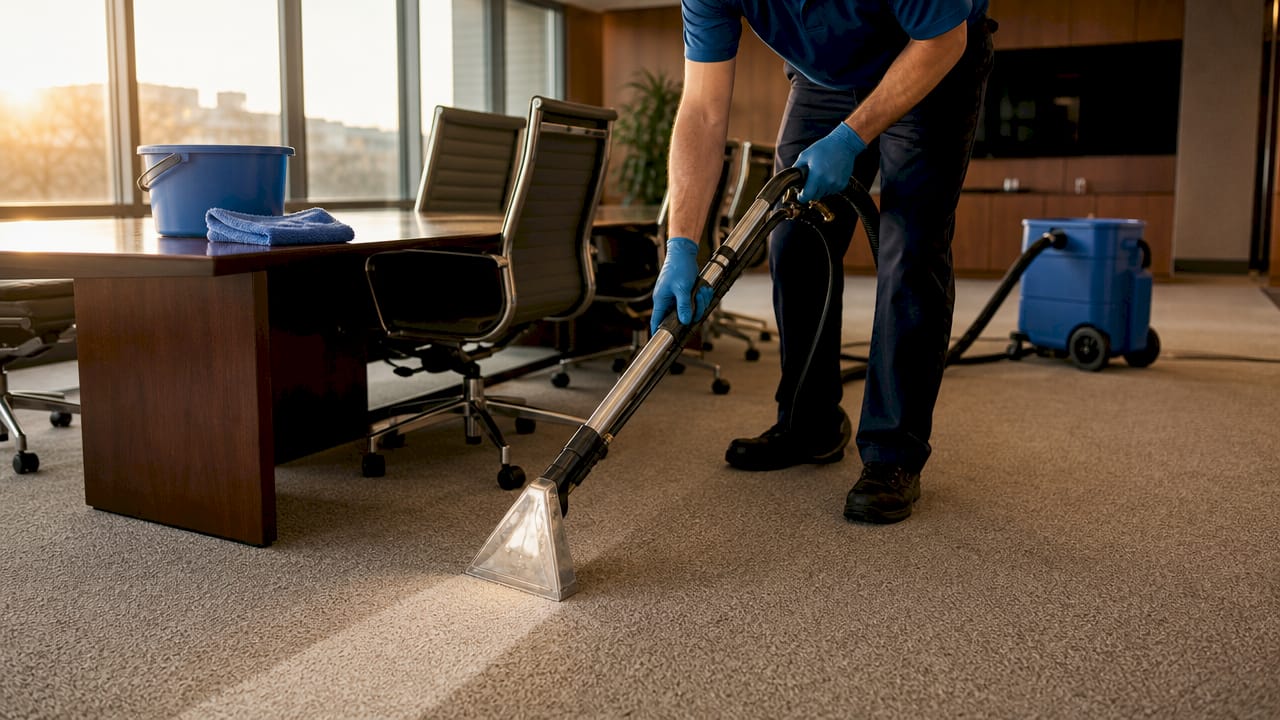
The most striking before and after carpet cleaning photos show traffic lanes going from dark gray back to the carpet’s original color. IICRC-certified technicians document these results with photographs that prove immediate and lasting improvement in homes and businesses across multiple states. The visual difference is not subtle. Carpets that look permanently stained often return to near-original condition after a single professional visit.
Pet stain removal is another category where the transformation is undeniable. Urine, vomit, and tracked-in mud leave behind both visible discoloration and embedded odor. After enzyme pre-treatment and extraction, the carpet looks clean and smells neutral. Homeowners who assumed replacement was the only option are often surprised by what a professional cleaning achieves.
Compressed carpet pile is a less obvious but equally important result. High-traffic areas flatten fibers over time, making carpets look worn even when they are not dirty. Professional grooming after cleaning lifts those fibers back up, restoring texture and sheen. The before-and-after difference in pile height alone can make a room look years younger.
- Traffic lane soil removal restoring original color
- Pet stain and odor elimination in a single visit
- Pile restoration through post-cleaning grooming
- Rental property deep cleans returning carpets to move-in condition
Pro Tip: Ask your cleaning technician to photograph the carpet before they start. Side-by-side before after carpet cleaning photos give you proof of results and a baseline for future cleanings.
2. The professional techniques behind impressive transformations
Enzyme pre-treatment is the first step that separates professional results from DIY attempts. Enzymes break down organic matter at the molecular level, including pet urine, food spills, and body oils. Pre-treatment dwell time of 10–15 minutes is critical for enzymatic breakdown before extraction begins. Skipping or rushing this step leaves soil partially intact and causes odors to return within days.
pH-balanced rinsing follows pre-treatment and removes chemical residues from the fiber. This step is what prevents the rapid re-soiling that plagues steam-cleaned carpets. Enzyme pre-treatment combined with pH-balanced rinsing extends carpet cleanliness 3–4 times longer than steam cleaning alone. That is not a minor improvement. It means your carpet stays cleaner for months instead of weeks.
The numbered steps in a professional cleaning visit typically follow this sequence:
- Pre-inspection to identify stain types and fiber composition
- Dry soil removal with commercial vacuuming
- Enzyme pre-treatment applied to stained and high-traffic areas
- Dwell time of 10–15 minutes for chemical action
- Hot water extraction or encapsulation cleaning
- pH-balanced rinse to remove all residue
- Post-cleaning grooming to lift fibers and speed drying
“Grooming carpets after cleaning lifts fibers, improves airflow, and reduces drying time from 24 hours down to 1–2 hours. This stage is often skipped, but it is critical for long-lasting appearance.”
Steam cleaning residue is a major reason carpets look dingy again quickly after a basic cleaning. Encapsulation methods avoid this entirely by leaving no sticky film behind. The result is more durable color and texture restoration that you can see in before after carpet cleaning photos weeks later.
3. Carpet cleaning results by type and scenario
Not every carpet responds the same way to cleaning. The fiber type, age, and soil history all affect what the final result looks like. Understanding these differences helps you set realistic expectations before you schedule a service.
| Carpet Type / Scenario | Typical Before Condition | Expected After Result |
|---|---|---|
| Synthetic fiber (nylon, polyester) | Heavy traffic lanes, surface stains | Near-full color and texture restoration |
| Wool carpet | Matted pile, dull color | Restored brightness with gentle low-moisture method |
| New carpet (first cleaning) | Light soil, minor spots | Excellent results, full pile recovery |
| High-traffic aged carpet | Deep-set gray soil, compressed pile | Strong improvement, some wear lines may remain |
| Pet stain treatment | Visible discoloration, strong odor | Stain removal with odor neutralization in most cases |
| Heat-set or dye-damaged stain | Permanent color change in fiber | Managed improvement; full removal not always possible |
Over 90% of organic spills can be removed by professional cleaning. That figure covers most pet accidents, food stains, and beverage spills. Heat-set stains and dye damage are a different category. A pre-inspection by a trained technician is the only reliable way to know what is achievable before cleaning begins.
Wool carpets require a gentler approach than synthetics. High-moisture extraction can shrink wool fibers or distort the pile. Low-moisture encapsulation methods produce excellent before and after results on wool without the risk of damage. Carpetandtileplus technicians identify fiber type during pre-inspection and adjust the method accordingly.
4. Carpet cleaning success stories from homes and businesses
Real carpet cleaning case studies show results that go beyond clean floors. A rental property deep clean is one of the most common scenarios where the transformation is dramatic. Carpets that tenants have lived on for years, with accumulated pet hair, food stains, and ground-in soil, often return to a rentable condition after one professional visit. That outcome saves landlords the cost of full carpet replacement.
Real estate is another area where before and after carpet cleaning delivers measurable financial returns. Clean carpets help accelerate home sales by improving room brightness and buyer appeal. One documented case resulted in multiple offers and a sale above asking price after professional carpet cleaning was completed before listing. The cost of cleaning is a fraction of the value it adds at closing.
Commercial spaces tell a different story but with equally strong results. Office lobbies, retail floors, and healthcare waiting rooms accumulate soil faster than residential carpets. Commercial carpet cleaning best practices address this with scheduled maintenance programs that keep high-traffic areas looking professional year-round. The before and after difference in a commercial lobby after a single deep clean is often striking enough to prompt clients to schedule recurring service.
5. Beyond appearance: what clean carpets do for your home or business
Clean carpets do more than look good. Deep cleaning removes allergens, dander, and bacteria, improving indoor air quality and creating safer environments for children and pets. This health benefit is consistently underestimated by homeowners who focus only on the visual result. The air quality improvement from a professional cleaning is real and measurable, especially in homes with allergy sufferers.
The financial case for professional cleaning over replacement is equally strong. Professional carpet cleaning costs about $0.35 to $0.70 per square foot. New carpet installation runs several dollars per square foot. Cleaning a 1,000-square-foot home costs a fraction of replacing the carpet, and the results often extend the carpet’s useful life by years.
- Allergen and bacteria removal improves respiratory health
- Odor neutralization eliminates pet and food smells at the source
- Restored appearance increases property value and buyer appeal
- Cost of cleaning is far below the cost of replacement
- Carpet cleaning and air quality improvements benefit the whole household
Odor removal deserves specific attention. Surface deodorizers mask smells temporarily. Professional enzyme treatments break down the organic compounds causing the odor at the source. The result is a carpet that does not just look clean but genuinely smells neutral. That difference matters in homes with pets and in commercial spaces where first impressions count.
Key takeaways
Professional carpet cleaning delivers visible, lasting transformations by combining enzyme pre-treatment, pH-balanced rinsing, and post-cleaning grooming to restore color, texture, and indoor air quality far beyond what steam cleaning alone achieves.
| Point | Details |
|---|---|
| Enzyme pre-treatment is non-negotiable | A 10–15 minute dwell time breaks down organic soil before extraction for lasting results. |
| Encapsulation outperforms steam cleaning | Residue-free methods keep carpets cleaner 3–4 times longer than standard steam cleaning. |
| Grooming cuts drying time dramatically | Post-cleaning grooming reduces drying from 24 hours down to 1–2 hours. |
| Not all stains are removable | Over 90% of organic spills come out, but heat-set and dye stains require managed expectations. |
| Cleaning beats replacement on cost | At $0.35–$0.70 per square foot, professional cleaning delivers strong ROI versus new carpet. |
What I have learned after years of watching carpet cleanings go right and wrong
The most common mistake homeowners make is judging a cleaning service by price alone. The cheapest quote almost always means steam cleaning with no pre-treatment, no pH rinse, and no grooming. The carpet looks clean for two weeks, then goes gray again. That cycle is frustrating and expensive over time.
Before after carpet cleaning photos are useful, but you need to know how to read them. Look for photos that show the same carpet under the same lighting. Marketing photos sometimes use different lighting angles to exaggerate contrast. A trustworthy company shows you photos from real jobs with consistent lighting and no editing.
My honest recommendation is to schedule a professional cleaning at least once a year for residential carpets and more frequently for high-traffic commercial spaces. The visual results speak for themselves, but the health benefits are what make it worth doing consistently. Removing allergens and bacteria from carpet fibers is something a vacuum cannot do. Only a professional extraction process gets deep enough to matter.
Timing matters too. Cleaning before a major event, a home sale, or the end of a lease gives you the best return on the investment. Waiting until carpets are severely degraded limits what even the best technician can achieve. The carpet cleaning frequency question has a simple answer: do not wait until you can see the problem.
— Jim
Carpetandtileplus delivers real results for Northwest Chicago homeowners and businesses
Carpetandtileplus has served homeowners and businesses across Elgin, Bartlett, Streamwood, Arlington Heights, Palatine, Barrington, and Hanover Park for over 20 years. Every job uses IICRC-certified technicians and organic cleaning products that are safe for children and pets.

The results speak through hundreds of five-star reviews and documented carpet cleaning transformations across the Northwest Suburbs of Chicago. Carpetandtileplus offers residential carpet cleaning for homes and commercial carpet cleaning for offices, retail spaces, and managed properties. For pet stain and odor problems, the pet stain and odor removal service targets the source, not just the surface. With a one-hour dry time, your space is back to normal the same day.
FAQ
How effective is professional carpet cleaning on old stains?
Over 90% of organic stains are removable with professional enzyme pre-treatment and extraction. Heat-set stains and dye damage may not fully disappear, so a pre-inspection is the best way to set accurate expectations.
How long does carpet take to dry after professional cleaning?
Post-cleaning grooming combined with industrial fans reduces drying time from up to 24 hours down to 1–2 hours. Carpetandtileplus targets a one-hour dry time on most residential jobs.
Why do carpets get dirty faster after some cleanings?
Steam cleaning leaves behind chemical residues that attract new soil. Encapsulation cleaning avoids this problem entirely by leaving no sticky film in the fibers, which is why results last longer.
What types of carpets show the best before and after results?
Synthetic fibers like nylon and polyester show the most dramatic transformations. Wool carpets also respond well when cleaned with low-moisture methods, as explained in the wool carpet cleaning guide.
How much does professional carpet cleaning cost compared to replacement?
Professional cleaning runs approximately $0.35 to $0.70 per square foot, which is a fraction of new carpet installation costs. For most homeowners, cleaning extends carpet life significantly and delivers a strong return on investment.