
Area rugs require specialized cleaning methods because their fibers, dyes, and construction react very differently to water, heat, and chemicals than standard wall-to-wall carpeting does. Treating a rug like a carpet is one of the most common and costly mistakes homeowners make. Improper cleaning chemistry and poor drying control can cause irreversible damage, including shrinkage, dye bleeding, and fiber breakdown. Understanding why area rugs need different cleaning starts with knowing what they are made of and how those materials behave under stress. Tools like the BISSELL CrossWave work well for synthetic rugs, but natural fiber rugs demand a completely different approach.
Why area rugs need different cleaning than carpets
The core reason area rugs need different cleaning comes down to construction. Wall-to-wall carpets are glued or stretched directly onto subfloor padding, which means they dry in place and tolerate high-alkaline hot water extraction. Area rugs sit on hard floors or padding with no fixed backing, so moisture gets trapped underneath. Wet rug backing traps moisture and causes mildew, dry rot, and structural damage if the rug is not dried properly within 24–48 hours.
Area rugs also carry a much wider range of fiber types than most carpets. Wool, silk, jute, sisal, cotton, and synthetic blends each react differently to the same cleaning solution. Natural dyes used in handmade rugs are pH-sensitive. Bleach or alkaline cleaners cause dye bleeding or fiber brittleness when applied without testing. That sensitivity alone makes a one-size-fits-all cleaning approach dangerous.
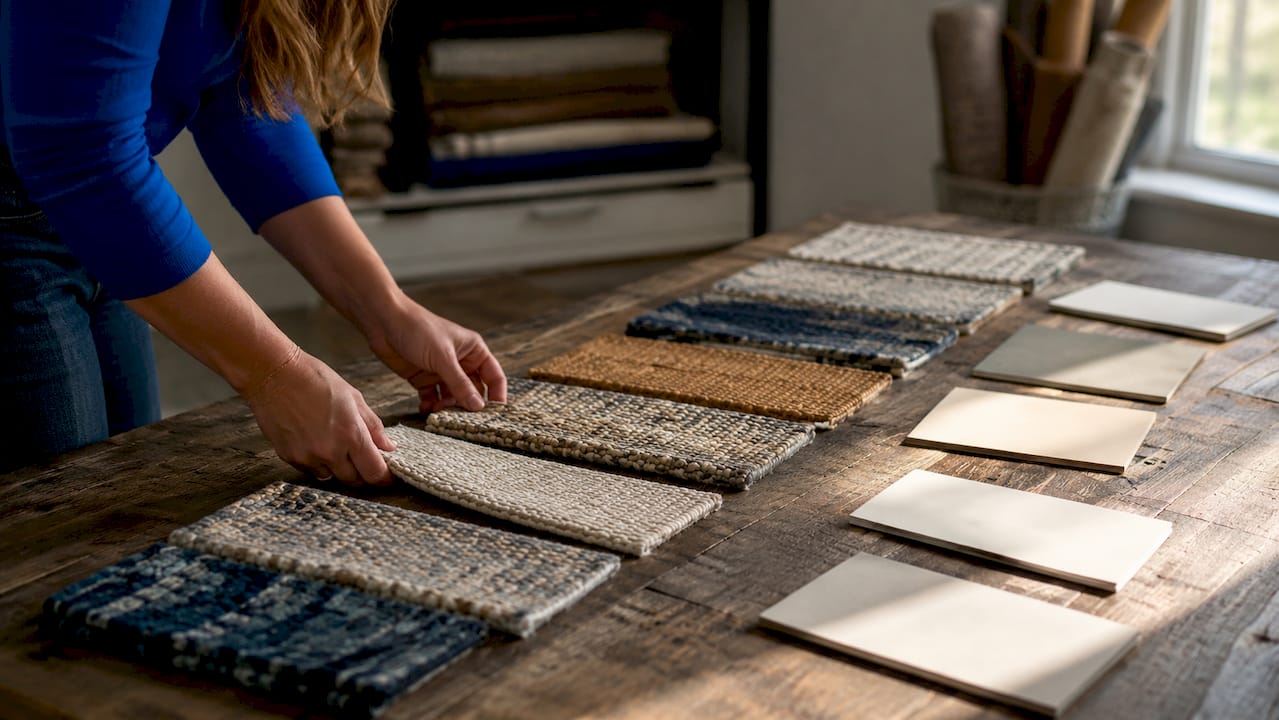
How rug fiber types determine the right cleaning method
The fiber type is the single most important factor in choosing a cleaning method. Here is how the most common rug materials behave and what each one needs.
| Fiber | Key risk | Recommended method |
|---|---|---|
| Wool | Shrinks with heat; pile proteins damaged by hot water | Low-moisture cleaning or off-site washing |
| Silk | Water stains easily; household chemicals cause permanent damage | Dry cleaning or professional care only |
| Jute/Sisal | Warps and discolors with moisture | Dry cleaning or minimal spot treatment |
| Cotton | Prone to shrinkage and color bleeding | Gentle hand wash or cold water spot clean |
| Synthetic (nylon, polyester) | Tolerates more aggressive methods | Hot water extraction or BISSELL CrossWave |
Natural fiber rugs require low-moisture or off-site cleaning to avoid dye bleeding, shrinkage, and fiber brittleness. Synthetic rugs tolerate hot water extraction without those risks. Silk rugs sit at the most delicate end of the spectrum. Silk is highly sensitive to water and household chemicals, and even a single improper cleaning can cause irreversible damage. Professional care is not optional for silk. It is the only safe choice.
Pro Tip: Before cleaning any area rug, test colorfastness by dabbing a small amount of your cleaning solution on a hidden corner. Wait five minutes and blot with a white cloth. If color transfers, stop and call a professional.
Common area rug cleaning mistakes and their consequences
Most homeowners make at least one of these mistakes, and some are expensive to fix.
- Over-wetting. Using too much water is the most damaging error. Moisture trapped under the rug backing creates mold and dry rot. The greatest DIY risk is over-wetting, which causes structural damage that no amount of drying can reverse.
- Scrubbing stains. Scrubbing pushes dirt deeper into the pile and breaks fiber strands. Always blot, never scrub.
- Using the wrong chemicals. Oxidizing agents in generic household cleaners irreversibly lighten or weaken natural fibers and dyes. Products safe for synthetic carpets can destroy a wool or silk rug.
- Skipping regular maintenance. Dirt particles act like sandpaper between fibers. Skipping routine vacuuming accelerates wear and shortens rug life significantly.
- Vacuuming with beater bars. Beater bars damage fringe and snag pile on delicate rugs. Beater-bar vacuums are a common cause of fringe unraveling and pile distortion on fine or antique pieces.
- Ignoring odors. Odors signal bacterial growth or trapped moisture. Masking them with sprays does not solve the underlying problem.
Pro Tip: When a spill happens, act within the first two minutes. Blot from the outside edge of the stain toward the center using a clean white cloth. This stops the stain from spreading and prevents fibers from absorbing more liquid.
How often should you clean and maintain area rugs?
Routine maintenance and professional cleaning work together. Neither replaces the other.
Vacuum area rugs one to three times per week using suction-only mode, depending on foot traffic and whether you have pets. Rotate rugs every six months to prevent uneven wear and sun fading on one side. These two habits alone extend rug life noticeably.
| Household type | Vacuuming frequency | Rotation | Professional cleaning |
|---|---|---|---|
| Low traffic, no pets | Once per week | Every 6 months | Every 12–18 months |
| Moderate traffic | Twice per week | Every 6 months | Every 12 months |
| High traffic or pets | 2–3 times per week | Every 6 months | Every 6 months |
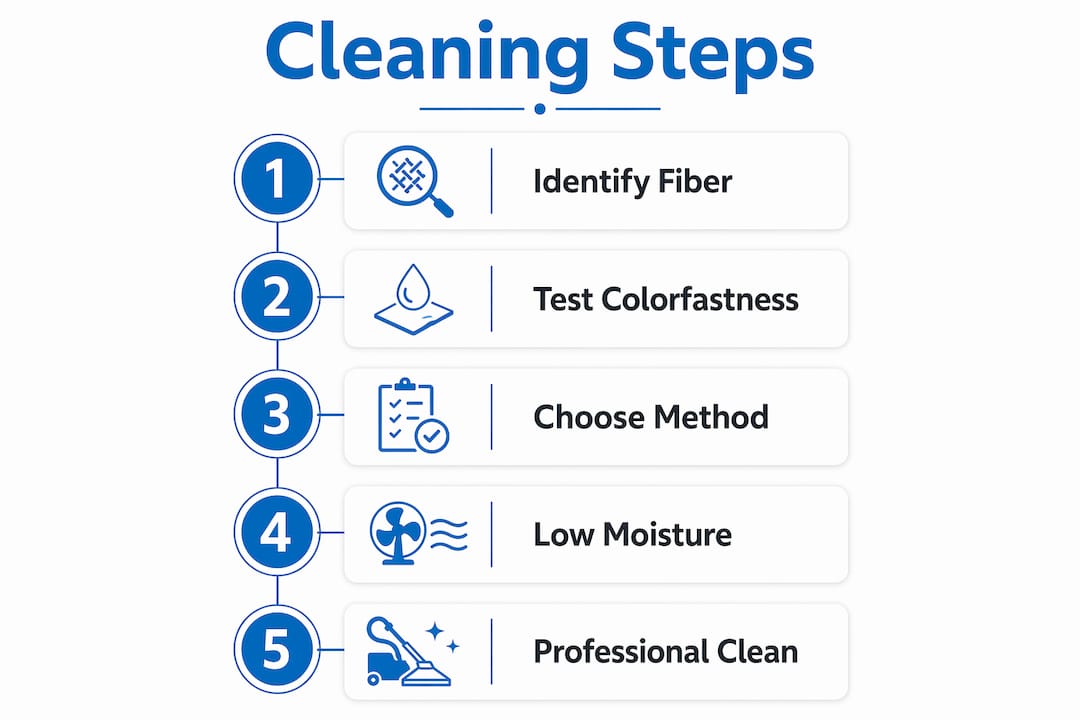
Professional deep cleaning is recommended every 12–18 months for low-traffic rugs and every six months for high-traffic homes or households with pets. That interval is not arbitrary. Professionals use fiber-matched chemistry, controlled drying environments, and equipment that removes embedded grit that home vacuums cannot reach. For guidance on how these intervals apply to your home, the carpet cleaning frequency guide from Carpetandtileplus breaks it down by household type.
How to safely clean area rugs at home
Safe home cleaning depends on matching the method to the rug type and the level of soiling.
- Vacuum first. Use suction-only mode. For fine or antique rugs, place a nylon mesh over the surface before vacuuming. Nylon mesh protects delicate fibers without sacrificing debris removal.
- Spot-clean spills immediately. Blot with a clean white cloth. Apply a small amount of mild, pH-neutral detergent diluted in cold water. Never pour solution directly onto the rug.
- Test before full cleaning. Apply any cleaning agent to a hidden corner. Wait five minutes. If color lifts or the fiber texture changes, stop.
- Use the right machine for synthetic rugs. The BISSELL CrossWave handles synthetic area rugs well because it combines suction and a gentle wash cycle. Do not use it on wool, silk, jute, or sisal.
- Dry completely before replacing. Lay the rug flat in a well-ventilated area. Elevate it slightly to allow airflow underneath. Never fold or roll a damp rug. Mold can establish itself quickly when moisture stays trapped.
- Send delicate rugs off-site. Wool, silk, antique, and handmade rugs belong with a professional. The benefits of professional rug cleaning include controlled drying, fiber-safe products, and equipment that handles delicate construction without risk.
Pro Tip: For low-moisture cleaning at home, mix one teaspoon of dish soap with two cups of cold water. Apply sparingly with a soft cloth. This works for most synthetic rugs and avoids the over-wetting risk that damages natural fibers.
Key takeaways
Area rugs require fiber-specific cleaning methods because their materials, dyes, and construction respond differently to water, heat, and chemicals than wall-to-wall carpets do.
| Point | Details |
|---|---|
| Fiber type drives the method | Wool, silk, and jute need low-moisture or professional care; synthetics tolerate more aggressive cleaning. |
| Over-wetting is the top risk | Trapped moisture under rug backing causes mold and dry rot within 24–48 hours. |
| Beater bars damage delicate rugs | Use suction-only vacuuming, and place nylon mesh over fine or antique rugs before vacuuming. |
| Professional cleaning frequency matters | Low-traffic rugs need professional care every 12–18 months; high-traffic or pet homes need it every 6 months. |
| Routine maintenance extends rug life | Vacuuming 1–3 times per week and rotating every 6 months prevents fiber abrasion and uneven wear. |
What 20 years of rug cleaning taught me about homeowner mistakes
After two decades working with area rugs across the Northwest Suburbs of Chicago, the pattern I see most often is this: homeowners treat their rugs like small carpets and are genuinely surprised when something goes wrong. A wool rug that shrinks after a steam clean. A silk rug with a water ring that will not come out. A jute rug that buckles and smells after a DIY wash. These are not freak accidents. They are predictable outcomes of applying the wrong method to the wrong material.
The misconception that frustrates me most is the idea that more water means cleaner. It does not. For natural fiber rugs, more water means more risk. The fiber absorbs it, the backing traps it, and the clock starts ticking toward mold. I have seen rugs that looked fine on top but had dry rot underneath because they were not dried properly after a home cleaning.
What actually works is simple: vacuum consistently, rotate twice a year, respond to spills immediately, and bring in a professional at the right intervals. The homeowners who follow that routine keep their rugs looking good for decades. The ones who skip it end up replacing rugs that should have lasted a generation. Treating your rug like the investment it is, rather than a piece of furniture you clean when it looks dirty, is the single biggest shift in thinking that changes outcomes.
— Jim
Carpetandtileplus specializes in area rug care for Northwest Suburbs homeowners
Carpetandtileplus provides residential rug cleaning services built around the specific needs of delicate fibers, natural dyes, and handmade construction. The IICRC-certified team uses organic, fiber-safe products and controlled drying techniques that protect wool, silk, cotton, and synthetic rugs without the risks that come with DIY methods.

Carpetandtileplus serves homeowners across Elgin, Bartlett, Streamwood, Arlington Heights, Palatine, Barrington, and Hanover Park. With over 20 years of experience and hundreds of five-star reviews, the team delivers a one-hour dry time that keeps your home on schedule. If your rug is overdue for a professional clean, or if you are unsure what method is right for your fiber type, contact Carpetandtileplus for an evaluation.
FAQ
Why can’t I clean area rugs the same way as carpets?
Area rugs have different fiber types, natural dyes, and loose construction that react badly to the high-alkaline hot water extraction used on wall-to-wall carpets. Treating rugs like carpets risks shrinkage, dye bleeding, and moisture damage from trapped water under the backing.
How often should area rugs be professionally cleaned?
Low-traffic rugs need professional cleaning every 12–18 months. High-traffic homes or households with pets should schedule professional cleaning every six months.
Can I use a BISSELL CrossWave on any area rug?
The BISSELL CrossWave is safe for synthetic area rugs made from nylon or polyester. Do not use it on wool, silk, jute, or sisal, as the moisture and brush action can damage those fibers permanently.
What is the safest way to vacuum a delicate area rug?
Use suction-only mode and avoid beater bars, which snag pile and unravel fringe. For fine or antique rugs, place a nylon mesh over the surface before vacuuming to protect the fibers while still removing debris.
What happens if an area rug stays wet too long?
A rug that stays wet for more than 24–48 hours develops mold, mildew, and dry rot in the backing and foundation fibers. Always dry rugs flat in a ventilated space with airflow underneath, and never fold or roll a damp rug.