
Carpet cleaning frequency is defined as how often you schedule professional cleaning to maintain fiber integrity, indoor air quality, and manufacturer warranty compliance. The IICRC recommends professional deep cleaning every 12–18 months for standard residential carpets under normal conditions. That baseline is a floor, not a ceiling. Manufacturers like Shaw, Mohawk, and Stainmaster require this same interval to keep warranties valid. Knowing how to choose carpet cleaning frequency for your specific home or business in the Northwest Suburbs of Chicago means adjusting that baseline to fit your actual lifestyle.
How to choose carpet cleaning frequency: the key factors
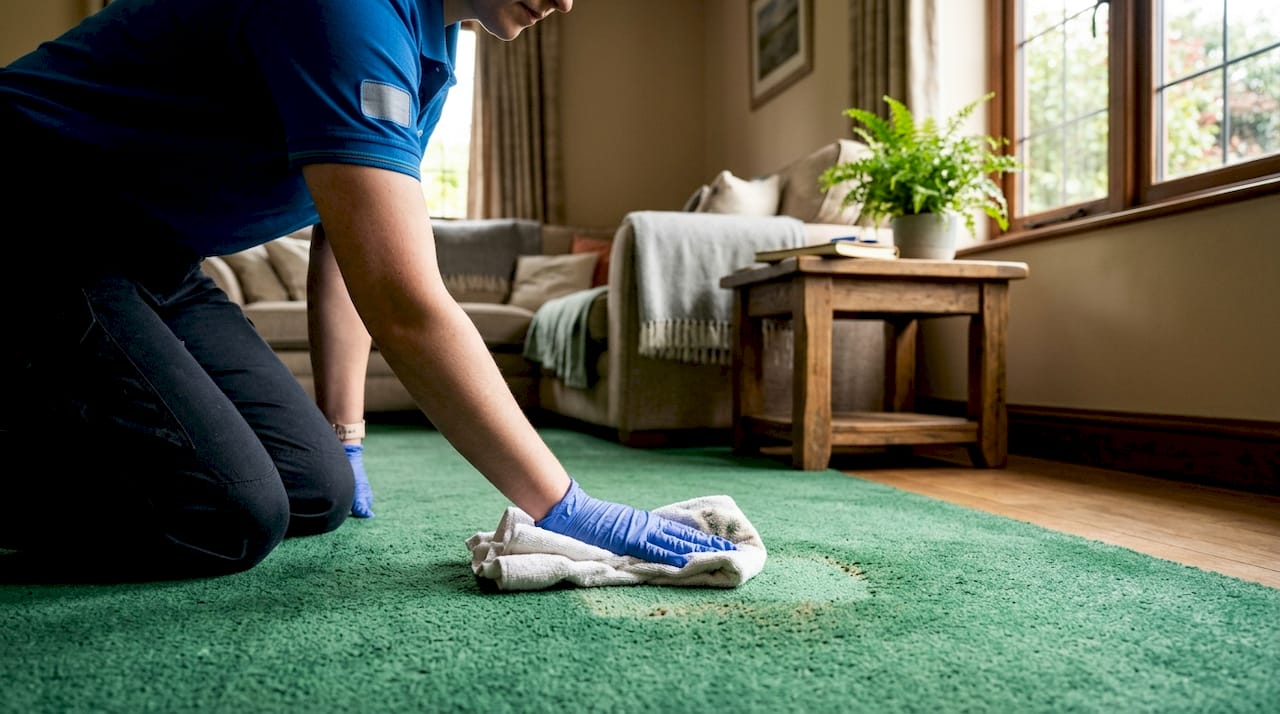
The right cleaning interval depends on what happens inside your space every day. A retired couple in Barrington with no pets lives very differently from a family of five in Streamwood with two dogs and a toddler. Both homes need professional cleaning, but not on the same schedule.
Several variables push your cleaning needs above the 12–18 month baseline:
- Pets. Dogs and cats shed dander, track in soil, and occasionally have accidents. Each of these adds organic material deep into carpet fibers that vacuuming cannot fully remove.
- Young children. Spills, crawling, and tracked-in dirt from play increase soiling faster than most homeowners expect.
- Allergies or asthma. Carpets trap dust mites, pollen, and pet dander. For allergy sufferers, more frequent cleaning every 3–9 months reduces allergen load significantly.
- Indoor smoking. Tobacco residue coats fibers and builds up faster than standard soil, requiring a shorter cleaning cycle.
- High foot traffic. Entryways, hallways, and living rooms in busy households accumulate grit at a much faster rate than bedrooms.
- Local climate. The Northwest Suburbs of Chicago experience humid summers and salt-tracked winters. That combination pushes dirt and moisture into carpet fibers more aggressively than dry climates.
Pro Tip: Place a white cloth on a high-traffic area and press it firmly into the carpet. If it lifts visible soil or discoloration, your cleaning is overdue regardless of when you last scheduled it.
How does cleaning frequency affect carpet lifespan and air quality?
Regular professional cleaning does two things most homeowners underestimate. It protects the physical structure of the carpet, and it keeps your indoor air cleaner than any air purifier alone can manage.
Carpets act as filters, trapping dust, allergens, and pollutants with every step. When those filters go uncleaned, daily foot traffic recirculates that material back into the air you breathe. The indoor air quality impact of a neglected carpet is measurable and affects everyone in the space, especially children and allergy sufferers.
Embedded grit is the hidden threat to carpet longevity. By the time dirt is visible on carpet fibers, those fibers are already worn and damaged. Grit acts like sandpaper with every footstep, cutting into the fiber structure and accelerating the breakdown that shortens carpet life. Waiting until your carpet looks dirty means you have already lost months of usable life.
Warranty compliance adds another layer of urgency. Skipping professional cleaning every 12–18 months can void manufacturer warranties from Shaw, Mohawk, and Stainmaster. Keeping dated cleaning records is the only way to protect a warranty claim if your carpet fails prematurely. The EPA advises following manufacturer care guidelines and IICRC standards rather than guessing at a fixed schedule. That guidance reinforces the need to document every professional cleaning you receive.
For homeowners curious about the full picture, Carpetandtileplus has a detailed resource on carpet cleaning and air quality that explains the connection between fiber health and what your family breathes.
What cleaning intervals fit different households and businesses?
The 12–18 month baseline applies to a narrow slice of real life: adult-only households, no pets, no smokers, and moderate foot traffic. Most homes and businesses in the Northwest Suburbs fall into a different category.
| Household or business type | Recommended cleaning interval |
|---|---|
| Adult-only, no pets, moderate traffic | Every 12–18 months |
| Households with pets or young children | Every 6–12 months |
| Allergy or asthma sufferers | Every 3–9 months |
| Indoor smokers or multiple pets | Every 3–6 months |
| High-traffic commercial spaces | Every 1–4 times per year |
| Delicate or high-end carpets (wool, luxury fiber) | Per manufacturer spec, often every 12 months with gentler methods |
Commercial settings with heavy foot traffic often require cleaning 1–4 times per year to maintain appearance and hygiene. A retail store in Arlington Heights or a medical office in Palatine cannot run on the same schedule as a residential living room. For office managers, Carpetandtileplus offers a commercial cleaning checklist that breaks down interval planning by traffic zone.
Pro Tip: If you own a wool or high-end carpet, check the manufacturer’s care tag before booking any professional cleaning. Some luxury fibers require low-moisture methods rather than standard hot water extraction, and using the wrong method can void your warranty immediately.
For high-traffic areas specifically, managing carpet wear between professional visits requires consistent daily habits, not just reactive cleaning.
How to build and maintain your carpet cleaning schedule
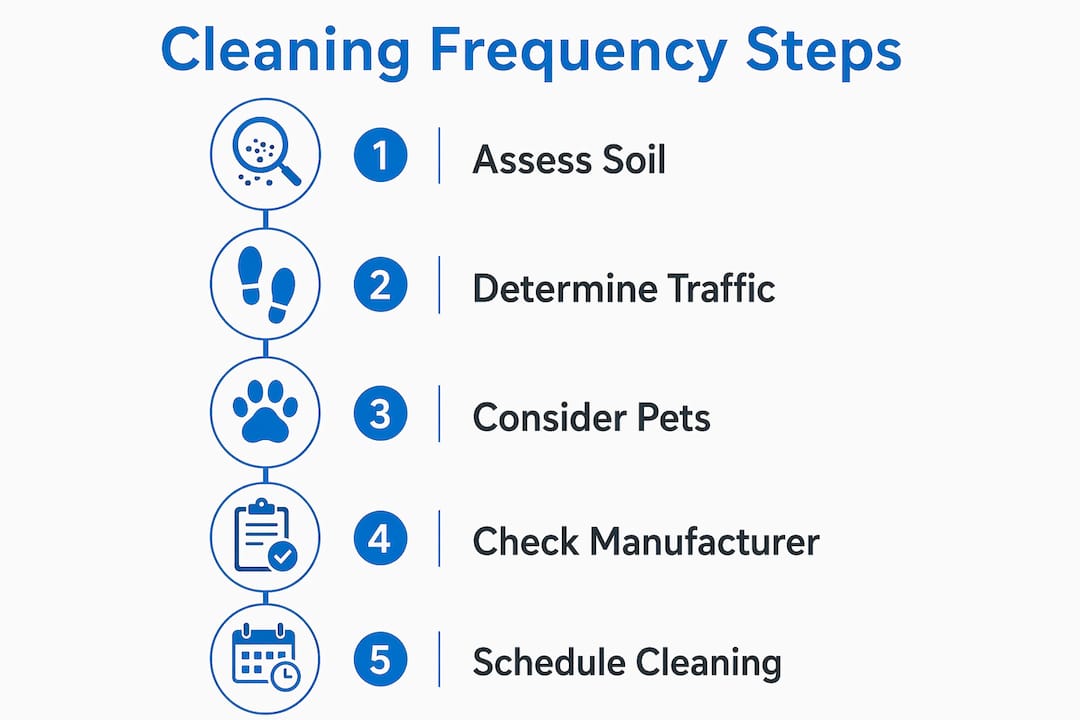
Building a schedule starts with an honest assessment of your space. Walk through your home or business and look at the areas that get the most use. Check for visible soil lines, matted fibers, and any odor that persists after vacuuming.
- Identify your household category. Use the table above to place yourself in the right interval range based on pets, children, allergies, and traffic.
- Set a calendar reminder. Book your next professional cleaning before the current one ends. Waiting until the carpet looks dirty means you are already behind.
- Vacuum regularly with a HEPA-filter vacuum. HEPA filtration captures fine particles that standard vacuums recirculate. Aim for twice a week in high-traffic areas and once a week in lower-use rooms.
- Use entry mats at every exterior door. Mats in Elgin, Bartlett, and Hanover Park homes catch the salt, mud, and moisture that the Midwest climate tracks in from october through april.
- Adopt a no-shoes policy indoors. Shoes carry outdoor contaminants directly into carpet fibers. Removing them at the door cuts soil accumulation by a meaningful margin.
- Address spills immediately. Blot, never rub. Rubbing spreads the stain and pushes it deeper into the fiber.
Between professional visits, these habits extend carpet life and keep your home healthier. They also mean your professional cleaner spends less time on heavy soil removal and more time on deep fiber restoration.
Avoid overwetting carpets during any cleaning process. Excessive moisture creates conditions for mold and mildew growth, especially in the humid summers common across the Northwest Suburbs. Professional hot water extraction paired with high-powered suction removes deep contaminants while controlling moisture levels. Carpetandtileplus delivers a one-hour dry time, which eliminates the multi-day drying risk that leads to mold problems in humid Midwest conditions.
When you are unsure whether your carpet needs attention now or can wait, the signs your carpet needs cleaning resource from Carpetandtileplus gives you nine specific indicators to check.
Key Takeaways
Choosing the right carpet cleaning frequency requires matching the IICRC’s 12–18 month baseline to your actual household conditions, then adjusting for pets, children, allergies, and local climate factors.
| Point | Details |
|---|---|
| IICRC baseline is a starting point | Professional cleaning every 12–18 months applies only to low-traffic, pet-free homes. |
| Household conditions drive the real schedule | Pets, children, allergies, and smoking all shorten the recommended interval to 3–12 months. |
| Embedded dirt damages fibers silently | Grit cuts carpet fibers before dirt becomes visible, so waiting for visible soil means damage is already done. |
| Warranty compliance requires documentation | Shaw, Mohawk, and Stainmaster warranties require dated cleaning records to remain valid. |
| Maintenance between cleanings extends carpet life | HEPA vacuuming, entry mats, and no-shoes policies reduce soil buildup between professional visits. |
What 20 years in the Northwest Suburbs taught me about cleaning schedules
Most homeowners I talk to in Bartlett and Streamwood think the 12–18 month guideline is the target. They aim for it like a finish line. The reality is that 12–18 months is the minimum you need to stay out of warranty trouble. For most families in this region, that interval is too long.
The Midwest creates specific challenges that a cleaning guide written for a dry climate simply does not account for. Humid summers mean moisture gets tracked in and held in carpet fibers longer. Winters bring road salt, sand, and slush that grind into entryway carpets with every trip inside. I have seen carpets in Elgin homes that looked fine on the surface but were already losing fiber integrity because the owners were cleaning once every 18 months and vacuuming only on weekends.
The most common mistake I see is reactive cleaning. Homeowners wait until the carpet looks or smells bad before calling. By that point, the fiber damage is real and the indoor air quality has been compromised for months. Proactive scheduling, based on your actual household conditions rather than what the carpet looks like, is the single biggest shift that extends carpet life and keeps your family healthier.
Partnering with a local professional who understands the regional environment matters. A cleaner familiar with Northwest Suburbs conditions knows how to handle the specific soil types, humidity levels, and seasonal challenges that affect your carpet differently than they would in another part of the country. That local knowledge is worth more than a generic cleaning schedule from a national brand.
— Jim
Carpetandtileplus: professional carpet cleaning for the Northwest Suburbs
Carpetandtileplus serves homeowners and business owners across Elgin, Bartlett, Streamwood, Arlington Heights, Palatine, Barrington, and Hanover Park with IICRC-certified carpet cleaning built around your specific schedule and property type.

Whether you need residential carpet cleaning on a schedule that fits your family’s lifestyle or commercial carpet cleaning tailored to your business traffic patterns, Carpetandtileplus uses hot water extraction and organic cleaning products to deliver deep cleaning with a one-hour dry time. Every visit is documented, which protects your Shaw, Mohawk, or Stainmaster warranty. With hundreds of five-star reviews and over 20 years of local experience, Carpetandtileplus makes it straightforward to stay on schedule and keep your carpets performing at their best.
FAQ
How often should carpets be professionally cleaned?
The IICRC recommends professional cleaning every 12–18 months for standard residential carpets. Households with pets, children, or allergy sufferers should clean every 3–9 months.
Does cleaning frequency affect my carpet warranty?
Yes. Manufacturers like Shaw, Mohawk, and Stainmaster require professional cleaning every 12–18 months to keep warranties valid. Keeping dated cleaning records is the only way to support a warranty claim.
What is the recommended commercial carpet cleaning frequency?
Commercial carpets in high-traffic settings require professional cleaning 1–4 times per year. The exact interval depends on daily foot traffic, the type of business, and the carpet fiber used.
How do I know if my carpet needs cleaning sooner than scheduled?
Persistent odor after vacuuming, visible soil lines, and matted fibers in traffic areas are reliable indicators. Pressing a white cloth into the carpet and lifting visible discoloration confirms cleaning is overdue.
What can I do between professional cleanings to extend carpet life?
Vacuum twice a week in high-traffic areas using a HEPA-filter vacuum, place entry mats at all exterior doors, remove shoes indoors, and blot spills immediately rather than rubbing them into the fiber.