
Post-cleaning carpet grooming is the process of using specialized tools, such as carpet rakes and grooming brushes, to lift and realign carpet fibers into a uniform direction immediately after a deep clean. The industry term for this step is “fiber reset,” and it serves two functions at once: restoring the carpet’s fresh appearance and accelerating the drying process. Without it, fibers collapse flat, trap moisture, and develop the matted look that makes a freshly cleaned carpet look worn within days. Carpetandtileplus includes this step in every professional service because it directly affects how long your results last.
What is post-cleaning carpet grooming and why does it matter?
Post-cleaning carpet grooming lifts and realigns carpet fibers into a uniform direction, giving the carpet a fresh, new appearance and preventing the matting and wand lines left by cleaning equipment. Properly groomed carpets typically return to their natural, uniform look within 1–3 days. That recovery window is the reason timing matters so much.
Grooming also serves a structural purpose. When fibers lie flat after cleaning, they trap residual moisture against the backing. That moisture creates the conditions for mildew growth and contaminant wicking, where soils from the carpet backing migrate back up to the surface and cause discoloration. Grooming opens the pile for better airflow, which speeds evaporation and cuts that risk significantly.
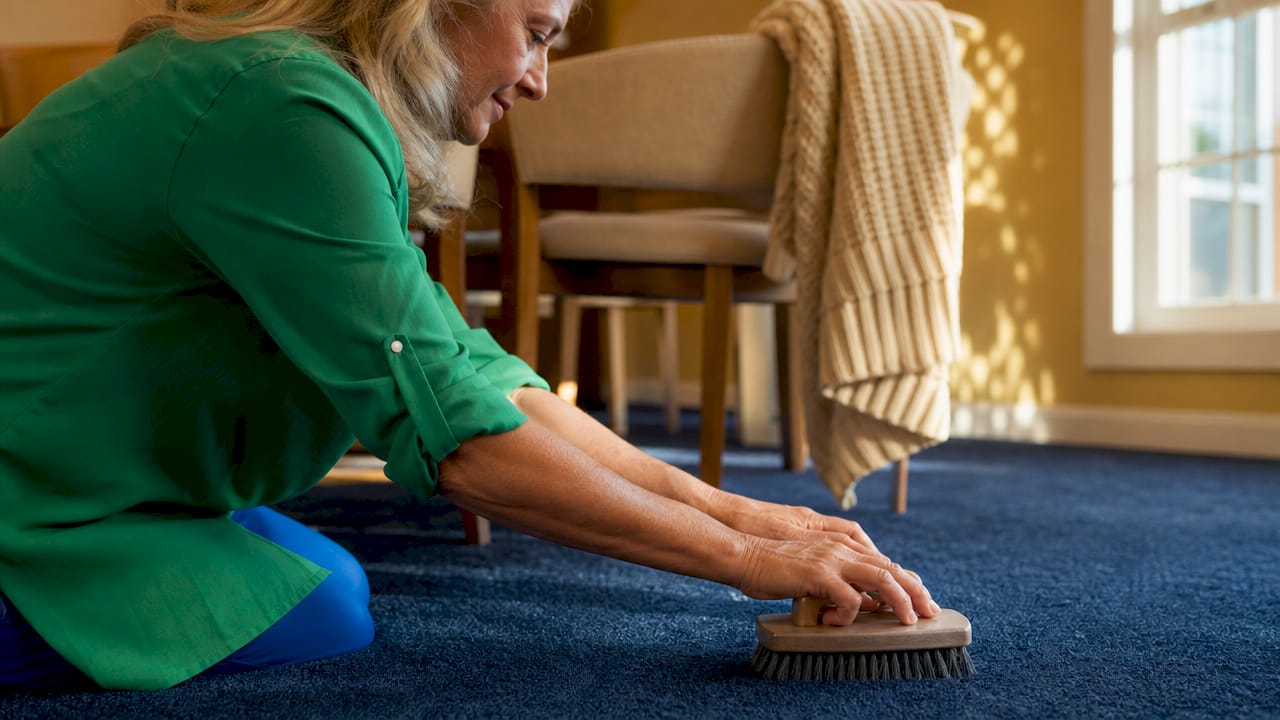
Many homeowners assume grooming is a cosmetic finishing touch. Professionals treat it as a functional step with real consequences for carpet health. The distinction matters because skipping it after a thorough steam clean can undo a significant portion of the cleaning work.
Pro Tip: Groom your carpet approximately 15–30 minutes after cleaning, when the fibers are damp but not saturated. That window gives you the best fiber reset without risking damage.
How grooming differs from pre-cleaning agitation
Agitation and grooming use similar tools but serve completely different purposes. Agitation happens before extraction, during the pre-spray dwell phase, to loosen embedded soil. Grooming happens after extraction to reset fibers and promote drying. Treating them as the same step reduces both cleaning quality and finish quality. A professional who understands this distinction delivers a noticeably better result.
What tools and techniques work best for carpet grooming?
The right tool makes a measurable difference in grooming results. Carpet rakes with long, flexible tines are the standard choice for most fiber types. Grooming brushes with softer bristles work better on delicate or low-pile carpets. Both tools are designed to move through damp fibers without snagging or pulling.
The correct technique follows these steps:
- Wait for the right moment. Begin grooming 15–30 minutes after cleaning, when the carpet is damp. Grooming a fully saturated carpet can cause fiber damage such as fuzzing or frizzing that is difficult to reverse.
- Work in long, overlapping strokes. Follow the natural direction of the carpet pile. Short, choppy strokes create uneven results and stress the fibers unnecessarily.
- Avoid aggressive sawing motions. Moving the rake back and forth rapidly against the pile direction is one of the most common mistakes. It distorts fibers and can create permanent texture damage.
- Cover the entire surface. Overlap each stroke by a few inches to avoid leaving lines or ungroomed patches, especially in high-traffic zones.
- Vacuum thoroughly after the carpet dries. Vacuuming post-grooming removes abrasive soils that break down fibers over time and is considered the most effective maintenance step for prolonging cleaning results.
Pro Tip: For commercial spaces with large carpeted areas, work in sections and mark your starting point. Consistent stroke direction across the whole floor produces a uniform finish that looks professionally done.
You can learn more about carpet rake methods and how they connect to faster drying in Carpetandtileplus’s quick-dry guide.
What are the key benefits of carpet grooming after cleaning?
The benefits of carpet grooming after cleaning go well beyond how the carpet looks. Each benefit connects directly to the long-term health and durability of the carpet itself.
- Faster drying. Standing fibers upright increases the surface area exposed to air, which speeds evaporation and produces a more consistent feel across the carpet. Faster drying also means less time for bacteria and mold to develop in the pile.
- Mildew and odor prevention. Moisture trapped in flat, matted fibers creates a breeding ground for microbial growth. Grooming removes that condition before it starts.
- Prevention of wicking. When fibers lie flat, contaminants from the carpet backing can migrate to the surface as the carpet dries. Grooming keeps fibers upright and reduces wicking contamination that leads to discoloration and re-soiling.
- Fiber integrity protection. Crushed or matted pile in high-traffic areas suffers accelerated wear. Grooming resets those fibers and prevents permanent structural damage that shortens carpet lifespan.
- Fewer callbacks for cleaning companies. When grooming is skipped, clients often report that their carpet looks dirty again within days. That re-soiling is usually wicking, not new dirt. Grooming eliminates the cause before it becomes a complaint.
“Grooming is not the final cosmetic step. It is the step that determines whether everything before it actually holds.” This is the perspective shared by experienced carpet care professionals who have seen the difference grooming makes in long-term results.
Moisture control combined with grooming forms a complete aftercare approach that reduces odors, re-soiling, and fiber degradation over time. The two practices reinforce each other in ways that neither achieves alone.
How to incorporate grooming into your ongoing carpet care routine
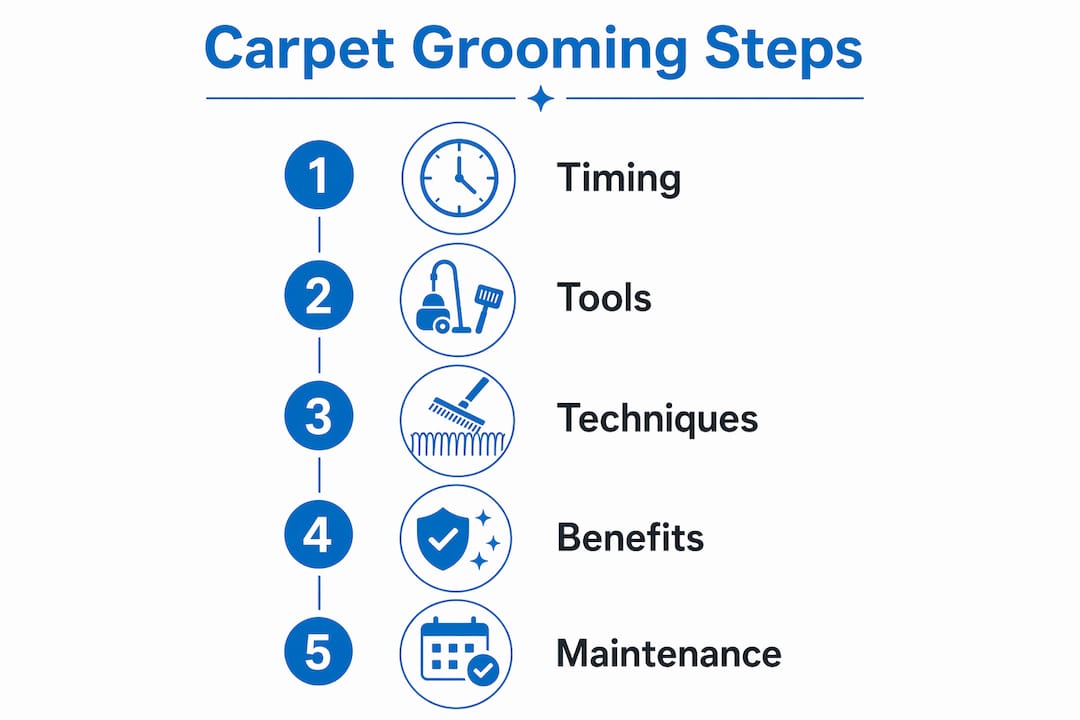
Post-cleaning carpet care does not end when the carpet dries. Grooming works best when it is part of a consistent maintenance routine, not a one-time action after a professional visit.
The table below compares grooming frequency recommendations for home and commercial settings:
| Setting | Grooming frequency | Supporting habits |
|---|---|---|
| Residential (low traffic) | After each professional cleaning | Weekly vacuuming, airflow management |
| Residential (high traffic) | After each cleaning, monthly light raking | Furniture rotation, entry mat use |
| Commercial (moderate traffic) | After each cleaning, weekly maintenance | Restricted foot traffic post-cleaning |
| Commercial (heavy traffic) | After each cleaning, twice-weekly raking | Scheduled professional cleaning cycles |
Beyond frequency, effective carpet maintenance integrates grooming with moisture control, airflow management, and traffic restrictions. Failing to manage these factors causes matted carpets and reduces how long grooming benefits last.
Practical habits that support your grooming routine include:
- Keep windows or fans running after cleaning to maximize airflow and speed drying.
- Restrict foot traffic for at least 6 hours after a professional clean to let fibers set in their groomed position.
- Rotate furniture placement every few months to prevent permanent pile compression in the same spots.
- Vacuum at least once a week in high-traffic areas. Regular vacuuming removes abrasive soils that degrade fibers between cleanings.
One common misconception is that grooming only matters after professional steam cleaning. Light raking with a carpet rake between cleanings also lifts compressed fibers in busy areas and extends the time before the next full clean is needed. You can find a full breakdown of home carpet preparation and aftercare steps in Carpetandtileplus’s 2026 guide.
When grooming is no longer enough to restore a carpet’s appearance or texture, that is a signal for professional fiber restoration. Severe matting in commercial spaces, in particular, may require hot water extraction combined with professional grooming tools to recover the pile. Carpetandtileplus’s commercial carpet deep cleaning guide covers when that threshold is reached and what the process involves.
Key Takeaways
Post-cleaning carpet grooming is a functional, not cosmetic, step that determines how long your cleaning results last, how fast your carpet dries, and whether fibers survive high-traffic use intact.
| Point | Details |
|---|---|
| Timing is critical | Groom 15–30 minutes after cleaning when carpet is damp, not saturated. |
| Use the right tool | Carpet rakes with flexible tines deliver the best fiber reset without damage. |
| Grooming speeds drying | Upright fibers increase air exposure and reduce mildew and wicking risk. |
| Grooming protects fiber life | Resetting crushed pile prevents permanent structural wear in high-traffic areas. |
| Maintenance extends results | Weekly vacuuming and periodic light raking between cleanings sustain grooming benefits. |
Why grooming is the step most people get wrong
After more than 20 years of cleaning carpets across the Northwest Suburbs of Chicago, I have seen one pattern repeat itself constantly. Homeowners and business owners invest in a thorough professional clean, then walk across the carpet while it is still wet, skip the grooming step entirely, and wonder why the carpet looks flat and dingy within a week. The answer is almost always wicking combined with matted fibers.
The carpet cleaning myths that circulate online do not help. Many people believe that once the cleaning is done, the carpet takes care of itself. It does not. The grooming step is where the cleaning investment either holds or unravels. A carpet that is cleaned but not groomed is like a freshly washed shirt left in a ball on the floor to dry. The cleaning happened, but the result does not show it.
What I tell every customer is this: the 15–30 minutes you spend grooming after a clean, or the decision to hire someone who does it as a standard step, is the single highest-return action in carpet care. It costs almost nothing in time and effort. The alternative, replacing a carpet that matted prematurely, costs thousands. That math is not complicated.
— Jim
Professional carpet cleaning that includes grooming as standard
Carpetandtileplus treats post-cleaning grooming as a standard part of every service, not an optional add-on. Every technician is IICRC-certified and trained to groom fibers at the correct stage of drying, using the right tools for each carpet type.

Whether you own a home in Barrington or manage a commercial space in Arlington Heights, grooming is built into the process. Carpetandtileplus’s residential carpet cleaning service covers fiber reset, moisture management, and a one-hour dry time that minimizes disruption. For offices, retail spaces, and other high-traffic environments, the commercial carpet cleaning service applies the same professional grooming standards at scale. Contact Carpetandtileplus to schedule a service that delivers results you can see and feel.
FAQ
What is post-cleaning carpet grooming?
Post-cleaning carpet grooming is the process of using a carpet rake or grooming brush to lift and realign carpet fibers after a deep clean. It restores a uniform appearance, speeds drying, and prevents matting and wicking.
When should you groom carpet after cleaning?
The optimal window is 15–30 minutes after cleaning, when the carpet is damp but not fully saturated. Grooming too early, while the carpet is still soaking wet, risks fiber damage such as fuzzing or frizzing.
Does carpet grooming actually extend carpet life?
Yes. Grooming resets crushed fibers in high-traffic areas and prevents the permanent structural wear that shortens carpet lifespan. Experts identify fiber reset as a critical factor in long-term carpet durability.
What tools do you need to groom a carpet?
A carpet rake with long, flexible tines is the standard tool for most carpet types. Softer grooming brushes work better on delicate or low-pile carpets. Both are widely available at cleaning supply retailers.
How often should you groom your carpet between professional cleanings?
In residential settings, light raking every month in high-traffic areas helps maintain fiber structure. Commercial spaces with heavy foot traffic benefit from twice-weekly maintenance raking between professional cleaning cycles.