
Evaluating carpet cleaning after service means confirming three things: the carpet is dry, the cleaning removed visible soil and stains, and the technician followed documented industry standards. The ANSI/IICRC S100 standard defines the professional benchmark for carpet care, covering fiber identification, pre-inspection, and colorfastness testing. Carpetandtileplus, an IICRC-certified provider serving the Northwest Suburbs of Chicago, uses this standard on every job. Knowing what to look for after cleaning puts you in control of the outcome and protects your investment.
What are the key quality indicators to check after carpet cleaning?
Post-cleaning carpet inspection starts with dryness. Professional carpet cleaning should leave carpets dry within 6–12 hours under normal conditions. Drying times beyond 24 hours signal poor moisture extraction, which creates the right conditions for mold and mildew growth.
The five quality indicators to check:
- Dryness. Press a dry white cloth firmly into the carpet pile. If it comes away soaking wet more than 12 hours after cleaning, the technician left excess moisture behind.
- Stain removal. Compare treated areas against your pre-cleaning memory or photos. Most professional-grade hot water extraction removes the majority of common stains in a single pass.
- Residue. Run your hand across the carpet surface. A sticky or crunchy texture means cleaning solution was not fully rinsed out. Residue attracts new soil faster than uncleaned carpet.
- Odor. A clean carpet smells neutral or faintly fresh. A sour, musty, or chemical smell after drying indicates either incomplete soil removal or product buildup.
- Fiber condition. Look for color loss, matting, or fiber distortion. The IICRC S100 standard requires fiber-specific care to prevent exactly these types of damage.
Checking high-traffic areas and edges matters most. Soil concentrates at doorways, hallways, and furniture lines. If those zones still look gray or feel stiff after drying, the cleaning was incomplete.
Pro Tip: Take photos of problem areas before the technician arrives. Side-by-side comparison after drying is the most objective way to assess stain removal.
How does a professional company validate service quality post-cleaning?
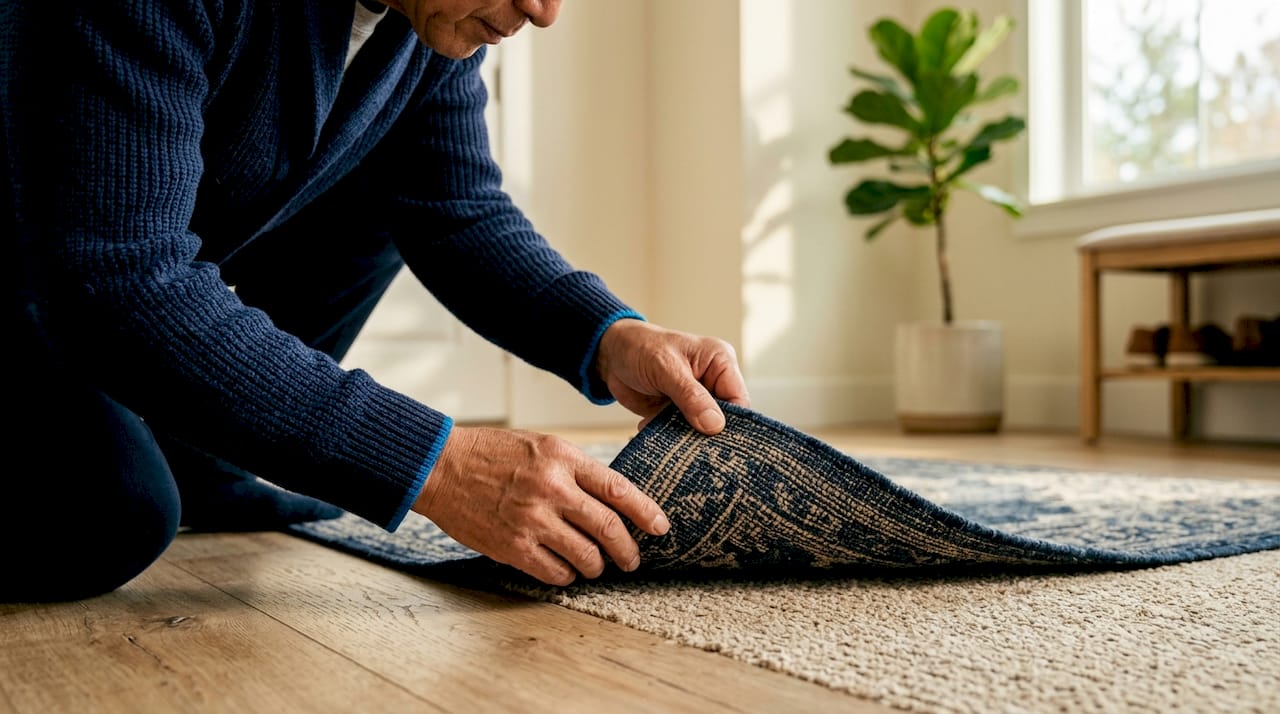
Quality carpet cleaning companies do not simply pack up and leave. A post-service walkthrough with the technician is a standard part of professional service in 2026. During the walkthrough, the technician points out any spots that may resurface, explains drying expectations, and gives aftercare instructions for foot traffic and ventilation.
What a professional post-service process includes:
- Walkthrough inspection. The technician walks the cleaned area with you, identifies any remaining spots, and notes areas that received extra treatment.
- Spot re-treatment. Stubborn stains get a second pass on the spot before the technician leaves.
- Aftercare instructions. You receive clear guidance on when to resume foot traffic, how long to keep windows open, and whether to run fans or a dehumidifier.
- Guarantee documentation. A reputable company provides a written re-clean policy. A re-clean guarantee means the company will return at no charge if spots reappear within a defined period.
Certification matters here. Not all companies claiming IICRC compliance actually hold certification. You can verify any technician through the official IICRC Global Locator. An IICRC Certified Carpet Technician (CCT) completes rigorous training in fiber identification, soil chemistry, and equipment operation. That training is not guaranteed with uncertified operators.
Pro Tip: Ask to see the technician’s IICRC certification card before work begins. Legitimate technicians carry it or can pull it up on the IICRC Global Locator in seconds.
Carpetandtileplus employs IICRC-certified technicians and conducts a post-service walkthrough on every residential and commercial job. That process is not optional. It is part of how quality gets confirmed.
How to conduct a thorough post-cleaning inspection
A systematic inspection takes less than 15 minutes and gives you clear evidence if a re-clean is needed. Follow these steps after the carpet has fully dried.
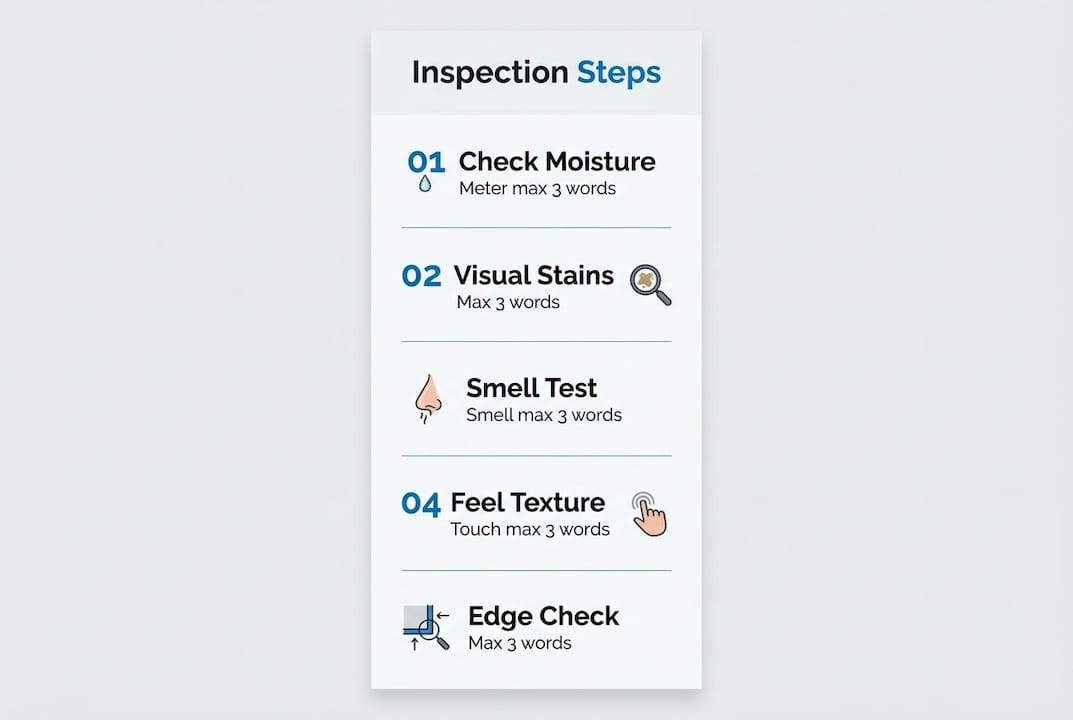
Step 1: Check moisture level. Walk the entire cleaned area in socks. Damp spots are easy to feel. For a more precise reading, a handheld moisture meter (available at most hardware stores) gives a numeric reading. Carpets should feel damp, not soaking wet, at job completion. Any wet patches after 12 hours need immediate attention.
Step 2: Visual stain check. Stand at the room entrance and scan the full floor. Stains that were present before cleaning should be gone or significantly reduced. Reappearing spots after drying often indicate wicking, where soil from the carpet backing migrates back to the surface as moisture evaporates.
Step 3: Smell test. Get close to the carpet surface and inhale. Neutral or clean is the target. Musty odors after full drying point to moisture trapped in the backing or pad. Chemical odors suggest product residue.
Step 4: Feel test. Run your palm across several areas, including high-traffic zones and edges. Uniform softness is the goal. Stiff or sticky patches indicate residue.
Step 5: Inspect edges and hidden spots. Pull furniture slightly away from walls and check corners. These areas are easy to miss during cleaning and often reveal whether the technician was thorough.
Documentation table for re-clean requests:
| Inspection point | What to record |
|---|---|
| Moisture level | Wet or dry, location of any damp spots |
| Stain status | Which stains remain, compared to pre-clean photos |
| Odor | Type of smell and specific location |
| Residue | Areas that feel sticky or stiff |
| Fiber condition | Any color change or matting visible |
Documenting findings with photos and notes gives you a factual basis when contacting the company. Vague complaints are harder to act on than specific, located evidence.
For more detail on what quick-dry methods look like in practice, Carpetandtileplus explains the moisture extraction techniques that support faster drying times.
What are the signs of inadequate cleaning and how do you address them?
Inadequate carpet cleaning leaves clear evidence. Recognizing the signs early makes resolution faster and easier.
Red flags to watch for:
- Excessive dampness past 24 hours. Drying time beyond 24 hours is a warning sign of poor equipment or technique. Prolonged moisture raises the risk of mold growth under the carpet backing.
- Persistent or reappearing stains. Spots that return after drying usually indicate wicking from the carpet pad. A second pass with proper extraction resolves most cases.
- Offensive or chemical odors. Sour smells after drying mean soil or bacteria remain. Strong chemical odors mean the cleaning solution was not fully extracted.
- Fiber discoloration or damage. Color loss or matting after cleaning points to incorrect chemistry or excessive agitation, both of which violate IICRC S100 fiber-specific care requirements.
- No post-service walkthrough. A company that leaves without reviewing results with you has skipped a basic quality step.
How to address problems with your provider:
Contact the company within 24–48 hours of the service. Describe the issue specifically and include photos. Ask about their re-clean policy in writing. A confident provider offers a clear guarantee and schedules a return visit promptly. A vague or dismissive response is a signal to escalate or seek a different provider.
Pro Tip: Before booking any service, ask directly: “What is your re-clean policy if spots return?” A company that hesitates or gives a vague answer is telling you something important about their confidence in their own work.
Carpetandtileplus backs every job with a satisfaction guarantee and a post-service walkthrough. If you want to understand what signs indicate your carpet needs professional attention in the first place, that context helps you set realistic expectations before the technician arrives.
For homeowners dealing with persistent odors after a cleaning visit, carpet odor removal is a separate specialized treatment that addresses embedded sources rather than surface-level symptoms.
Key Takeaways
Effective post-cleaning evaluation requires checking dryness within 6–12 hours, confirming stain removal, testing for residue, and verifying that your provider holds IICRC certification and offers a documented re-clean guarantee.
| Point | Details |
|---|---|
| Drying time benchmark | Carpets should dry within 6–12 hours; anything beyond 24 hours signals a problem. |
| Inspect after drying | Judge results only after the carpet is fully dry, not while it is still damp. |
| Verify IICRC certification | Confirm technician credentials through the IICRC Global Locator before or after service. |
| Document your findings | Photograph stains and note odors or residue to support any re-clean request. |
| Demand a written guarantee | A re-clean policy reflects real confidence in the company’s work and chemistry. |
What 20 years of carpet cleaning taught me about post-service evaluation
Most homeowners judge a carpet cleaning job the moment the technician walks out the door. That is the wrong time. Carpets look darker when wet, and spots that appear to remain often disappear completely once the fiber dries. I have seen clients call in a complaint within an hour of service, only to find the carpet looked perfect the next morning.
The single most reliable signal of quality is drying time. Fast, thorough moisture extraction is only possible with professional-grade equipment. When a carpet takes two days to dry, the machine was underpowered or the technician rushed the extraction pass. No amount of good chemistry compensates for poor water removal.
Certification is not a marketing badge. An IICRC-certified technician knows the difference between a nylon fiber and a wool fiber, and treats each accordingly. I have seen uncertified operators use the wrong pH chemistry on wool and cause permanent damage. That is not a recoverable situation.
The post-service walkthrough is where trust gets built or broken. A technician who walks the job with you, points out a spot that may wick back, and tells you exactly what to do if it does is showing you their confidence. One who disappears without a word is showing you something else.
Ongoing maintenance after professional cleaning extends results significantly. Vacuuming regularly and addressing spills immediately preserves what the cleaning achieved. Professional cleaning is not a reset button. It is one part of a longer care cycle.
— Jim
Carpetandtileplus: certified cleaning with results you can verify
Carpetandtileplus serves homeowners and business managers across Elgin, Bartlett, Streamwood, Arlington Heights, Palatine, Barrington, and Hanover Park with IICRC-certified carpet cleaning backed by a satisfaction guarantee.

Every job includes a post-service walkthrough, aftercare instructions, and a target dry time of approximately one hour using professional-grade extraction equipment. Organic cleaning products protect fiber integrity and meet the fiber-specific care requirements of the ANSI/IICRC S100 standard. Whether you need residential carpet cleaning for your home or commercial carpet cleaning for your office or facility, Carpetandtileplus delivers results you can inspect, measure, and verify.
FAQ
How long should carpet take to dry after professional cleaning?
Carpets should dry within 6–12 hours under normal conditions with good airflow. Drying times beyond 24 hours indicate inadequate moisture extraction and raise the risk of mold growth.
What does sticky carpet after cleaning mean?
Sticky or crunchy carpet texture after drying means cleaning solution was not fully rinsed out. Residue left in the fiber attracts new soil quickly and requires a re-clean with proper extraction.
How do I verify that a carpet cleaner is IICRC certified?
Use the IICRC Global Locator at iicrc.org to search any technician or company by name or location. Certification requires passing rigorous exams and completing ongoing training, so the listing is current and reliable.
When should I judge the results of a carpet cleaning?
Judge results after the carpet is fully dry, not while it is still damp. Wet fibers look darker and spots appear larger than they actually are once dry.
What should I do if spots return after carpet cleaning?
Contact the company within 24–48 hours with photos of the affected areas. A reputable provider with a re-clean policy will return at no charge to address wicking or spots that reappear after drying.